3D Scanning Transforms Custom Equipment Fitting for Elite Athletes in Tennis, Soccer, and Golf
Written by Parker Becker · Jul 26, 2026
3D Scanning Transforms Custom Equipment Fitting for Elite Athletes in Tennis, Soccer, and Golf
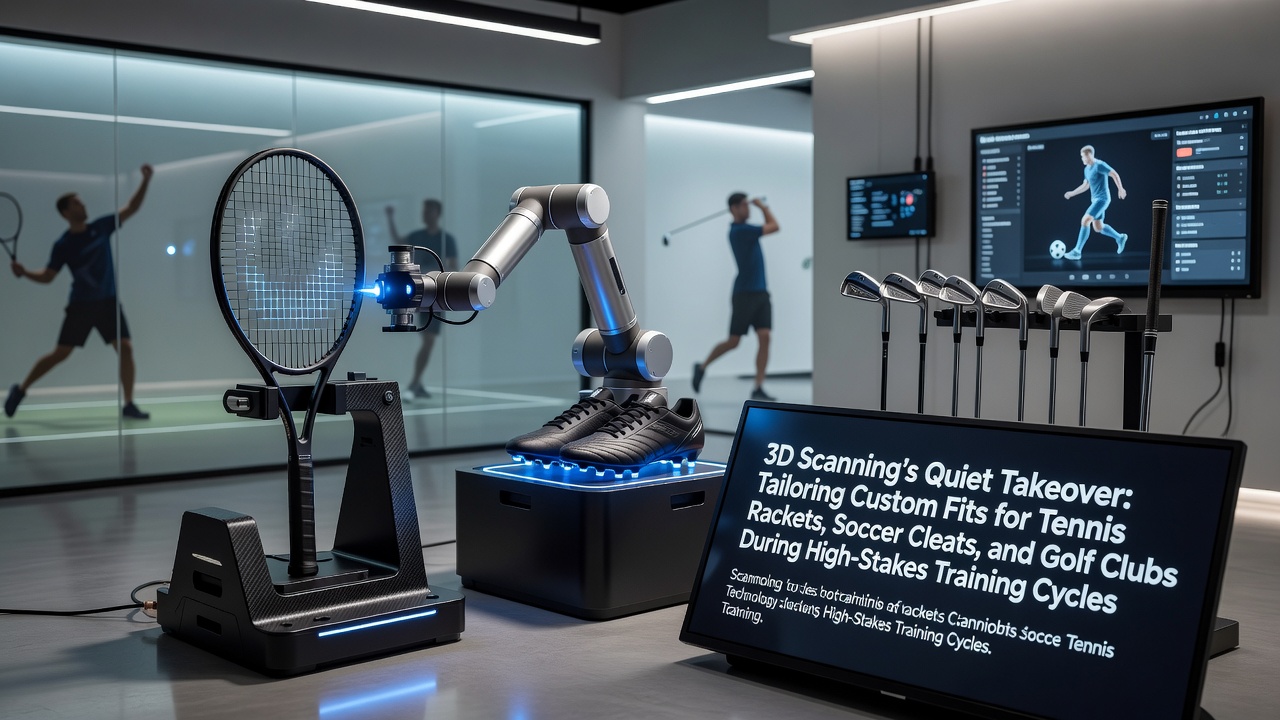
Three-dimensional scanning technology has integrated into athletic equipment customization across tennis, soccer, and golf, delivering precise fits that align with individual biomechanics during intense training periods. Facilities worldwide adopted these systems to capture detailed surface data and structural contours, allowing manufacturers to adjust racket frames, cleat outsoles, and club grips based on actual player anatomy rather than standard sizing charts. Researchers documented increased precision in contact points and pressure distribution when scans replaced traditional molding methods.
Scanning hardware projects structured light patterns onto the equipment and athlete extremities, generating point clouds that software converts into editable three-dimensional models. Engineers then modify variables such as racket head shape, cleat stud placement, and club shaft diameter before production begins. Data from these models feeds directly into computer-aided manufacturing lines, reducing iteration cycles from weeks to days. Observers note that training centers in multiple regions integrated portable scanners into daily routines by mid-2026, enabling on-site adjustments during high-stakes preparation blocks.
Application in Tennis Racket Customization
Tennis players require rackets that match grip circumference, handle length, and balance point to their stroke mechanics. Three-dimensional scans of hand contours and forearm rotation patterns allow technicians to fine-tune pallet shapes and string bed tension zones. A study conducted at the University of Waterloo demonstrated that scanned grip modifications reduced vibration transmission by measurable percentages during repeated forehand impacts. Players training for major tournaments receive updated rackets within 48 hours of each scan session, supporting continuous performance tracking.
Precision Fitting for Soccer Cleats
Soccer cleats demand exact foot mapping because stud configuration and upper tension directly affect traction and injury risk on varied pitch surfaces. Scanners record arch height, toe splay, and heel width while athletes stand in simulated loading positions. Production teams translate these measurements into customized last shapes and midsole densities. European sports research centers reported that cleats produced from scan data showed improved ground reaction force alignment compared with off-the-shelf models. During July 2026 pre-season camps, several professional squads incorporated weekly scan reviews to accommodate foot swelling patterns that develop over extended training loads.
Adaptations in Golf Club Manufacturing
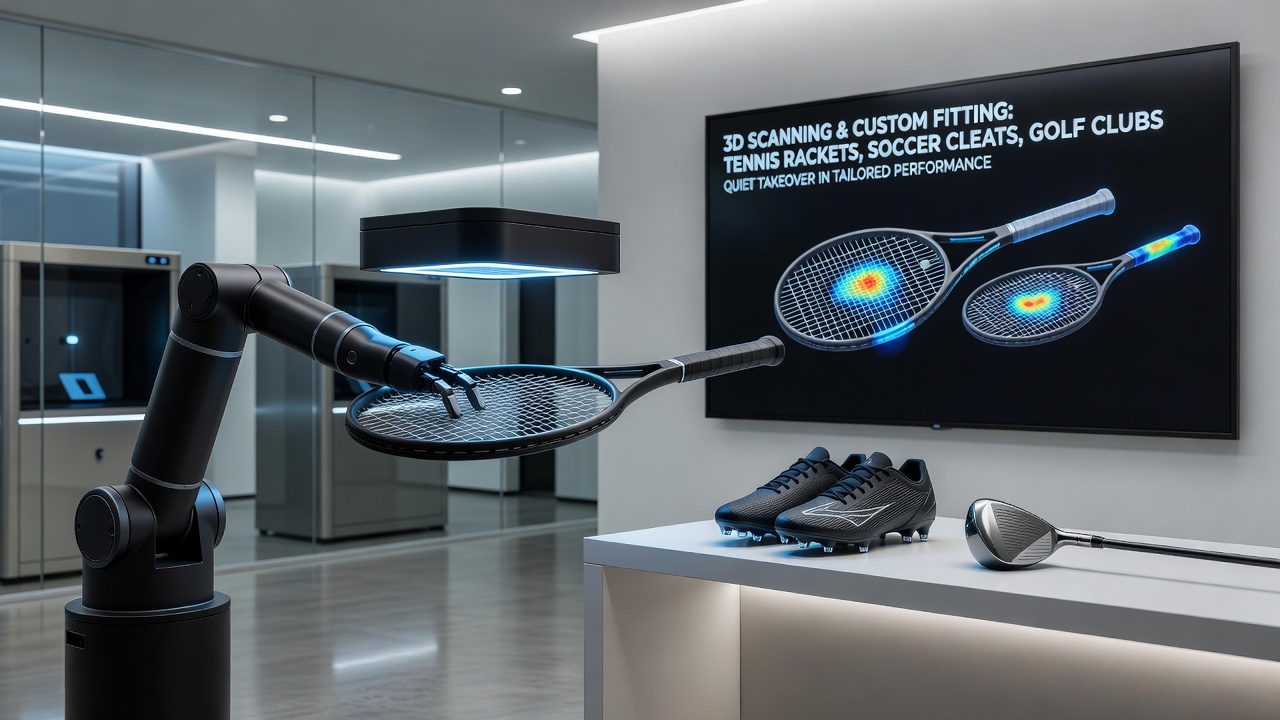
Golf club fitting benefits from scans that capture grip hand position, wrist angle at address, and swing path tendencies. Technicians adjust lie angles, grip diameters, and shaft lengths based on three-dimensional data rather than static measurements alone. Reports from Australian Institute of Sport programs indicated that clubs matched to scanned parameters produced more consistent clubface orientation at impact across multiple sessions. Training facilities now maintain digital libraries of player scans, allowing rapid reproduction of clubs when wear or damage occurs during intensive practice blocks.
Integration During High-Stakes Training Cycles
High-stakes training periods involve repeated equipment use under fatigue conditions that alter limb dimensions and movement patterns. Three-dimensional scanning sessions scheduled at regular intervals detect these changes and trigger equipment recalibrations. Software platforms compare sequential scans to quantify shifts in foot volume or hand pressure, prompting targeted modifications before competition windows open. Industry data compiled through academic partnerships shows that programs using scan-driven fitting maintained equipment consistency across multi-week training blocks without performance plateaus attributed to ill-fitting gear.
Portable scanner units deployed at training venues eliminate the need for athletes to travel to specialized fitting centers. Cloud-based modeling software allows remote engineers to review scans and approve design changes within hours. This workflow proved particularly useful for teams managing multiple athletes simultaneously during concentrated preparation phases in July 2026. Maintenance logs stored alongside scan archives provide historical reference points that inform future equipment iterations.
Conclusion
Three-dimensional scanning continues to expand within sports equipment workflows by supplying objective anatomical data that supports individualized production. Tennis rackets, soccer cleats, and golf clubs produced through these methods demonstrate measurable alignment with athlete-specific requirements throughout demanding training schedules. Continued refinement of scanning hardware and integration with manufacturing processes indicates sustained adoption across additional disciplines.