14 Jun 2026
Adjusting Weave Densities for Greater Flexibility in Sports Footwear, Apparel, and Protection
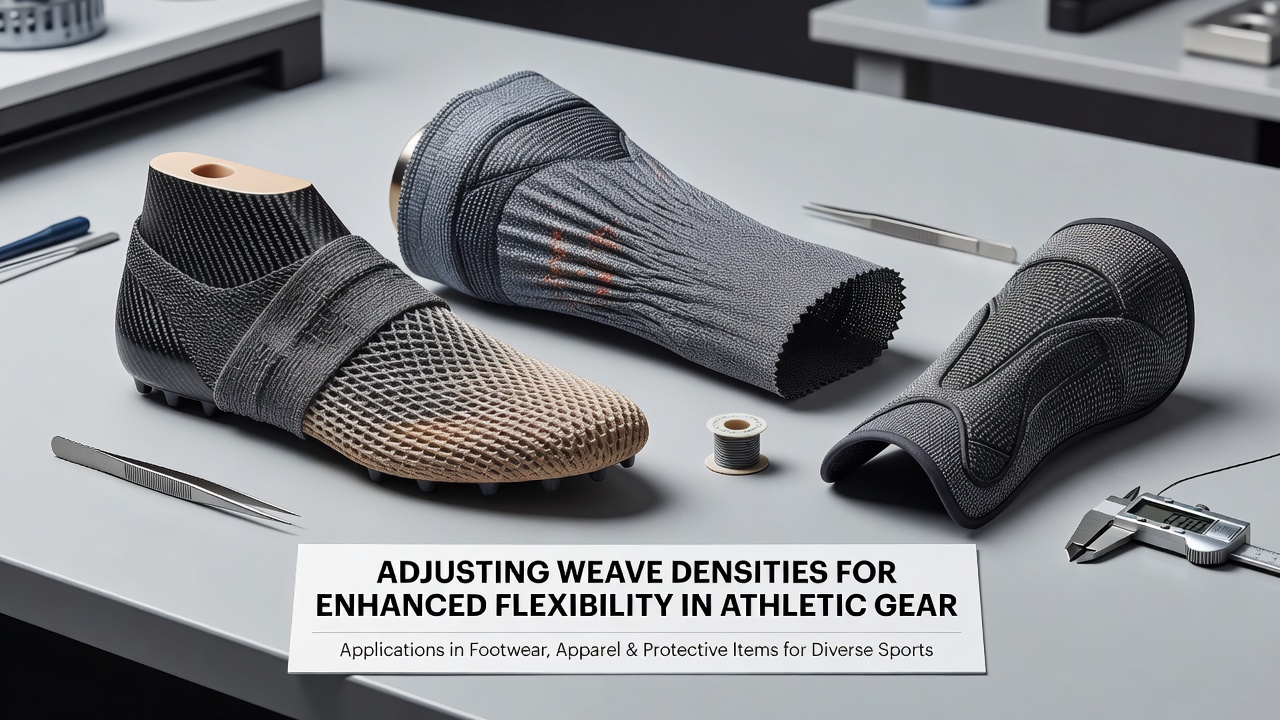
Textile engineers adjust weave densities by altering thread counts per inch along with yarn tension during production, and this process directly influences how fabrics stretch, recover, and conform to movement in athletic settings. Lower densities create spaces between yarns that allow greater bending and twisting while higher densities lock fibers together for stability, yet manufacturers balance these factors to meet performance needs across footwear uppers, apparel panels, and protective layers. Data from textile testing labs shows that density reductions of 15 to 25 percent often yield measurable gains in flexural modulus without sacrificing tear resistance when paired with appropriate yarn selections.
Core Principles Behind Density Adjustments
Plain weaves, twills, and jacquard patterns each respond differently when density changes occur because interlacing frequency determines how force distributes across the surface. Researchers at institutions such as the University of British Columbia have documented that reducing picks per inch in warp knits permits up to 40 percent more elongation in the bias direction, a property valued in items that wrap around joints. Manufacturers monitor these metrics through standardized protocols outlined by ASTM International, ensuring consistency across production batches destined for running shoes, compression tops, and impact guards.
Footwear Applications and Performance Data
In footwear, upper materials benefit when weave density decreases in flex zones near the forefoot and instep, allowing the shoe to articulate with each stride rather than resist it. Studies tracking elite marathon participants reveal that uppers with strategically loosened weaves reduce peak pressure points by distributing load across wider areas, and this effect appears consistently in both road and trail models. Protective toe caps and heel counters maintain tighter constructions to preserve shape under repeated compression, creating hybrid constructions that combine multiple density zones within a single shoe.
Apparel and Layered Systems
Apparel designers apply similar techniques to base layers and outer shells where freedom of motion matters during repeated arm swings or torso rotations common in court sports and field activities. Looser densities in side panels and underarm gussets promote ventilation while preserving enough structure to avoid bagging after repeated wash cycles. Industry reports compiled in June 2026 noted rising adoption of variable-density knits in multi-sport garments because they accommodate temperature fluctuations during transitions between indoor training and outdoor sessions without requiring separate wardrobes.
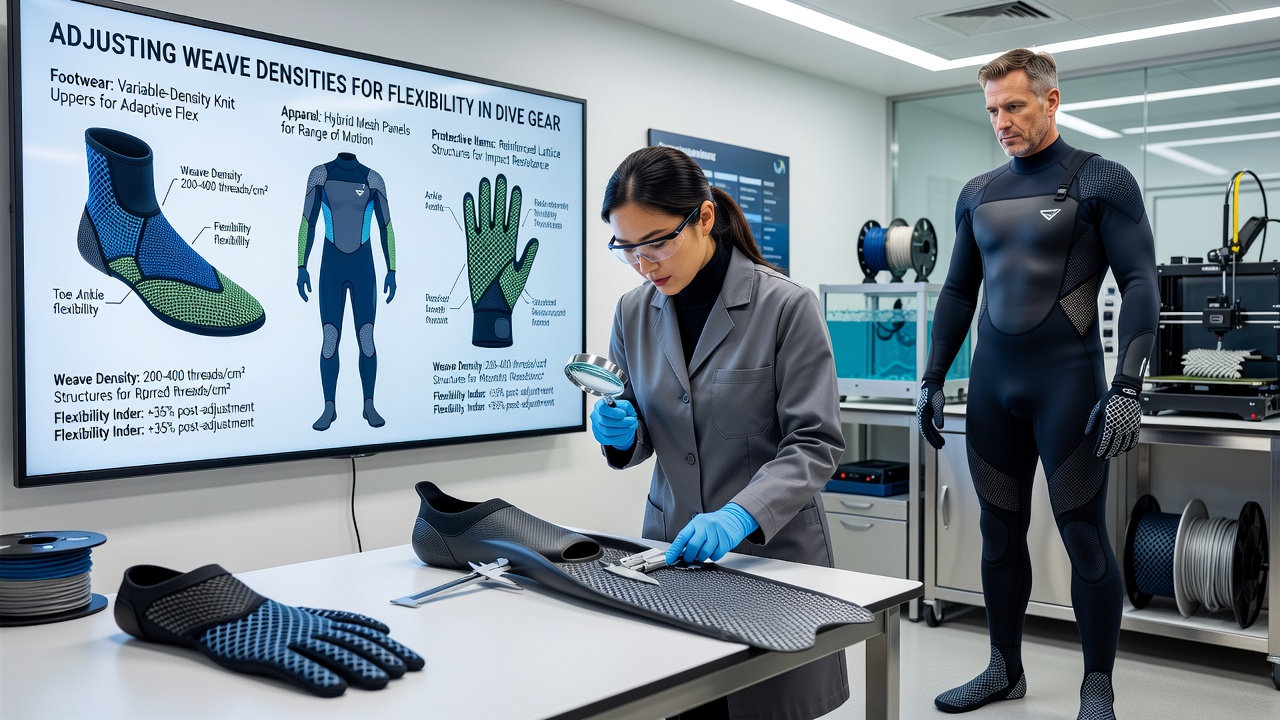
Protective items such as padded shorts, shin guards, and hand wraps incorporate graduated densities so that impact-absorbing cores stay anchored while outer surfaces flex to follow body contours. Data collected from training facilities indicates fewer instances of restricted circulation when these items use density-tuned fabrics compared with uniformly tight constructions.
Manufacturing and Material Interactions
Production teams achieve density variations through computerized looms that alter beat-up force and take-up speed on the fly, allowing single rolls of fabric to contain multiple zones. Yarn composition plays an equally important role because high-twist filaments hold shape better at lower densities whereas flat yarns require tighter packing to avoid slippage. Facilities that integrate real-time optical sensors catch inconsistencies before fabric reaches cutting tables, reducing waste while maintaining the precise thread spacing required for certification under international standards.
Those who examine supply chains note that sourcing shifts toward finer denier yarns have enabled density reductions without compromising durability ratings, and this trend appears across suppliers serving both mass-market and performance brands. Equipment lifespan extends when fabrics avoid unnecessary stiffness because repeated flexing at high densities accelerates fiber fatigue in high-stress areas.
Conclusion
Adjustments to weave density continue to serve as a practical lever for balancing flexibility requirements with structural demands in athletic products. Ongoing testing and process refinements ensure these modifications deliver consistent results across footwear, apparel, and protective categories used in varied training environments.