30 Jun 2026
Athlete Data Streams from Competitive Circuits Guiding Iterative Tweaks to Joint Stabilization Features in Footwear and Hand Protection
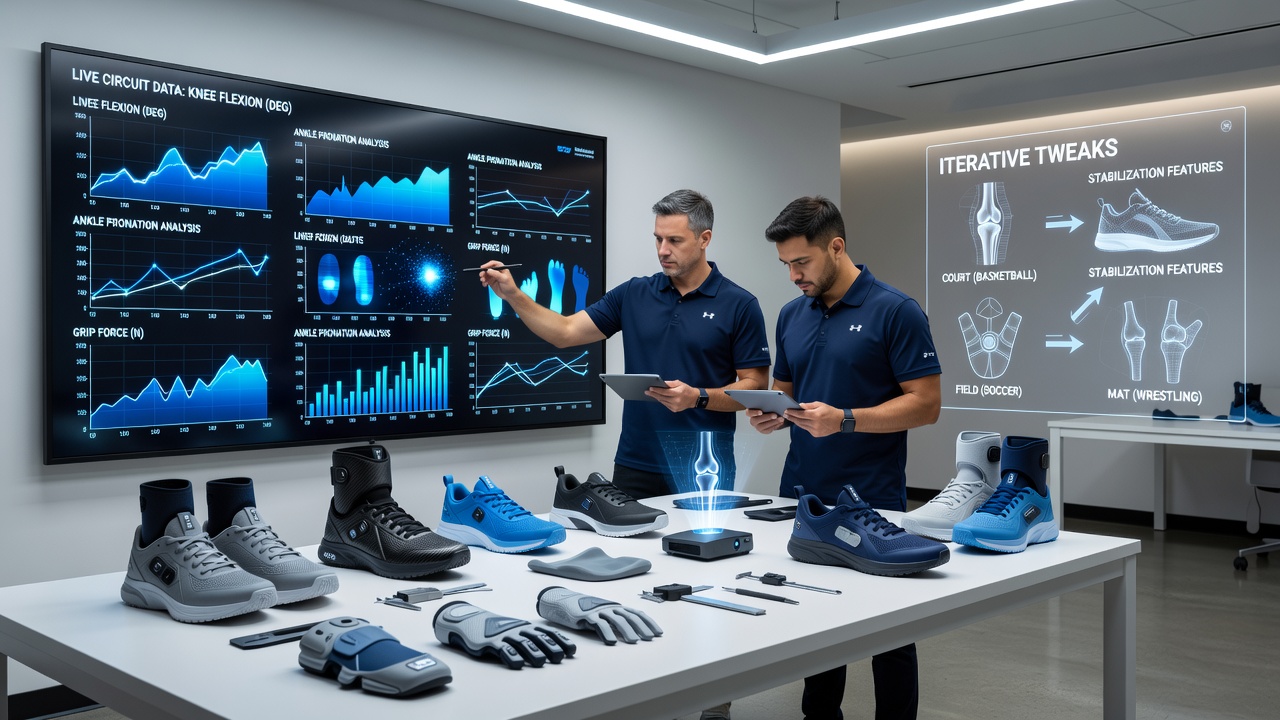 Data collected from athletes across competitive circuits now drives precise adjustments to joint stabilization components in footwear and hand protection. These modifications address the distinct demands of court surfaces, field environments, and mat-based activities where rapid directional changes place repeated stress on ankles and wrists. Sensors embedded in equipment capture force distribution, joint angles, and impact frequencies during live events, and manufacturers use those streams to refine support structures in subsequent product iterations. Competitive circuits generate continuous datasets through wearable technologies that track movement patterns in real time. Professional leagues in basketball, volleyball, and tennis supply court-specific information while soccer and field hockey tournaments contribute field-based readings. Wrestling and gymnastics events add mat-focused metrics that highlight torsional loads on the lower and upper extremities. Analysts process these inputs to identify recurring stress points, and design teams translate the findings into incremental changes such as altered midsole rigidity or modified wrist strap tension.
Data Integration Across Activity Surfaces
Court activities produce high-frequency lateral movements that researchers monitor through pressure mapping systems placed inside footwear. Those systems record peak forces at the subtalar joint during cutting maneuvers, and the resulting information prompts adjustments to lateral ankle stabilizers that reduce excessive inversion without restricting mobility. Field sports introduce variable ground conditions where cleat interaction with turf influences rotational torque at the knee and ankle, so data streams from those settings guide the placement of reinforced heel counters and variable-density foams that maintain alignment under changing traction levels.
Mat-based disciplines emphasize pivoting and landing sequences that transmit forces through both feet and hands. Hand protection in these contexts incorporates sensors that measure wrist deviation angles during takedowns and dismounts. Iterative design changes then focus on adding flexible yet supportive inserts that limit hyperextension while preserving grip dexterity. Observers note that equipment updated through these cycles shows measurable reductions in reported joint strain incidents across monitored athlete cohorts.Footwear Modifications Driven by Circuit Feedback
Footwear developers examine aggregated data from multiple seasons to determine optimal placement of stabilization plates and cushioning zones. In court shoes, for example, medial arch reinforcements receive targeted stiffening after analysis reveals consistent pronation spikes during defensive slides. Field footwear sees updates to collar height and lacing configurations that accommodate the rotational stresses recorded during pivots on grass or artificial turf. Mat-oriented shoes incorporate sole units with enhanced torsional rigidity following review of landing data that correlates specific foam compositions with lower rates of ankle roll.
These modifications occur through successive prototypes tested against fresh data batches. Engineers compare performance metrics before and after each tweak, and the cycle repeats as new competition data arrives. The process relies on standardized protocols established by sports science laboratories that ensure consistent measurement across different venues and athlete populations.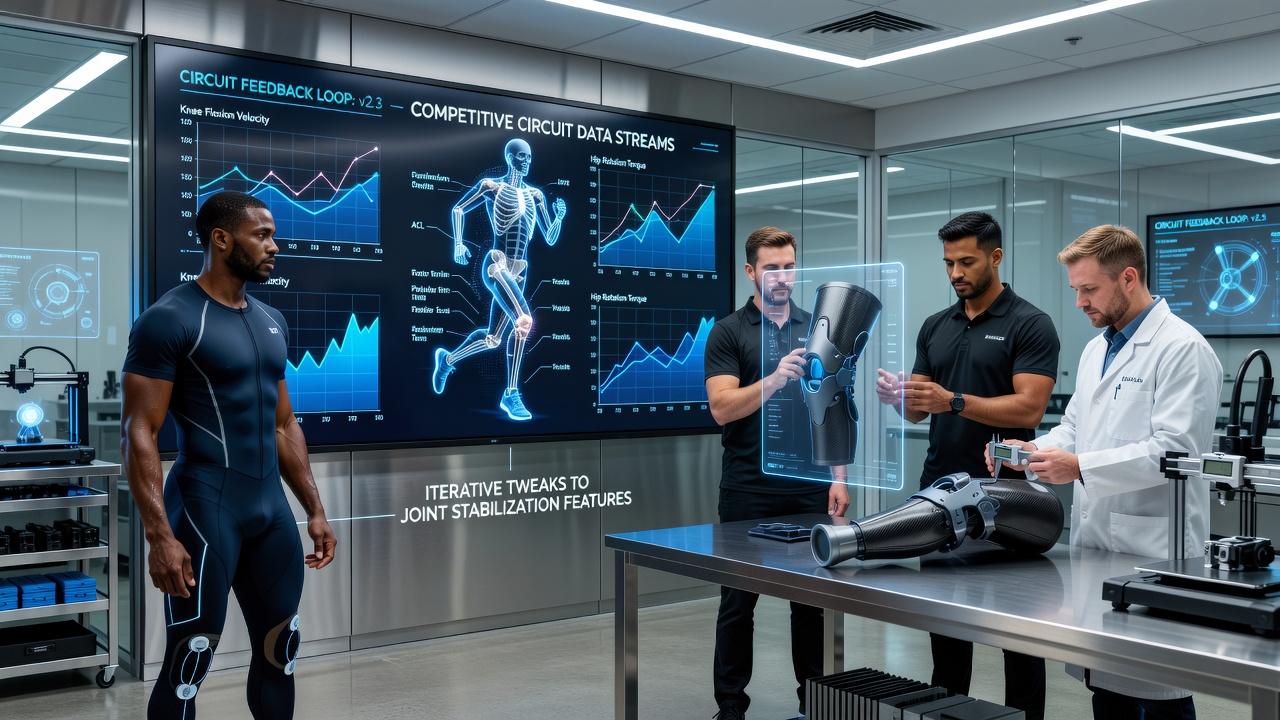
Hand Protection Refinements from Performance Metrics
Hand protection undergoes parallel refinement cycles based on wrist and metacarpal loading patterns captured during competition. Boxing circuits supply impact frequency data that informs padding density around the carpal bones, while racquet sports contribute grip pressure readings that influence strap placement for wrist stabilization. Mat activities such as judo generate torque measurements that lead to reinforced thumb and radial supports designed to counter hyperextension forces encountered during throws.
Design teams integrate these inputs by adjusting material layering and closure systems in each production run. Data collected during June 2026 competitions, for instance, contributed to revised cuff geometries in several product lines after analysts identified elevated ulnar deviation values in specific grip-intensive maneuvers. The resulting hand wraps and gloves demonstrate improved load distribution across monitored training groups without altering overall weight or flexibility profiles.Cross-Surface Validation and Ongoing Cycles
Validation studies compare equipment performance across surfaces to confirm that stabilization features function consistently. Researchers at institutions including the Journal of Sports Science and Medicine have documented how ankle support modifications tested on indoor courts translate when applied to outdoor field conditions. Separate investigations coordinated through Canadian Sport Institutes examine wrist protection adaptations originally developed for mat sports and their applicability to court environments where hand contact with equipment occurs at different velocities.
The iterative nature of these updates means that stabilization features evolve continuously rather than through large-scale redesigns. Small changes to component geometry or material stiffness accumulate over multiple seasons, and cumulative effects appear in longitudinal injury surveillance reports. Athletic organizations track these trends through centralized databases that aggregate input from professional, collegiate, and elite amateur circuits.Conclusion
Competitive data streams have become the primary mechanism for refining joint stabilization elements in footwear and hand protection tailored to court, field, and mat activities. The process connects real-time sensor output directly to design adjustments that address surface-specific loading profiles. As measurement technologies advance and data volume increases, the precision of these iterative tweaks continues to improve across all monitored athletic domains.