28 Jun 2026
Augmented Fitting Systems Guiding Equipment Selections in Basketball Gear, Golf Clubs, and Swimwear
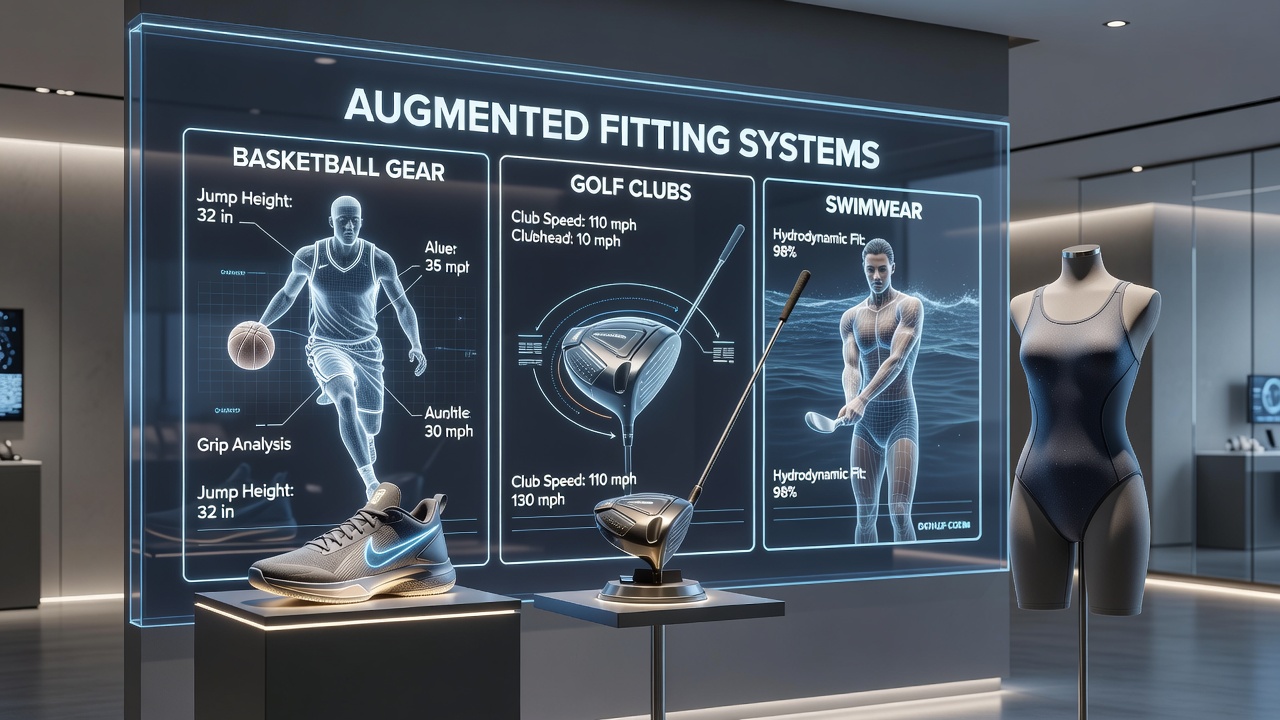 Augmented fitting systems combine 3D scanning hardware with software overlays that measure body dimensions and simulate equipment performance in real time, and these tools now operate across multiple sports categories where precise fit determines both comfort and function. Retailers and manufacturers have deployed mobile applications and in-store kiosks that capture thousands of data points from a single scan while algorithms match those measurements against product databases containing specifications for sizing, material stretch, and weight distribution.
Scanning Technology in Basketball Gear Applications
Basketball equipment manufacturers integrate augmented fitting platforms that analyze foot arch height, ankle circumference, and stride length to recommend shoes and protective pads. Systems from companies operating in North America and Europe capture motion data during simulated jumps and cuts, then overlay virtual models of different sneaker constructions on the user's scanned anatomy. Data collected from these sessions shows that users who rely on augmented recommendations experience fewer pressure points during extended play sessions compared with those using traditional sizing charts alone.
Retail environments in major urban centers have installed full-body scanners that generate heat maps highlighting areas of potential friction or instability, and these visualizations guide selections toward models with reinforced uppers or specific cushioning placements. Training facilities affiliated with professional leagues have begun incorporating portable versions of the technology into pre-season evaluations where staff document changes in player foot morphology over time.
Precision Matching for Golf Club Specifications
Golf fitting studios utilize augmented systems that align club length, lie angle, and grip diameter with shoulder width, arm length, and swing plane data captured through motion sensors. The software renders side-by-side comparisons of different shaft flex profiles and head designs while the user maintains posture on a pressure-sensitive mat. Industry reports from Australian sports research groups indicate that players fitted through these platforms record more consistent launch angles across multiple sessions.
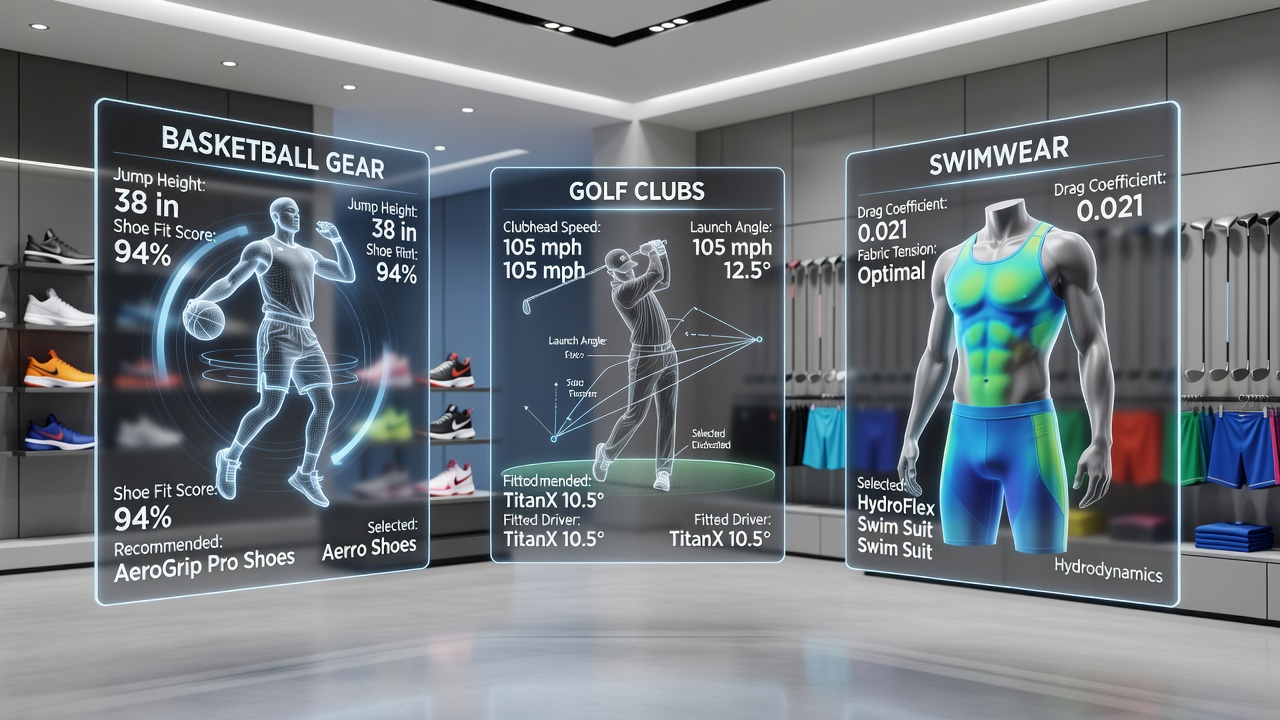
Club manufacturers have updated their production pipelines to accept direct input from fitting software, which reduces the number of physical adjustments required after initial assembly. European trade associations tracking equipment sales note that fitted clubs ordered through augmented platforms show lower return rates within the first six months of ownership. As of June 2026, several major chains have expanded these services to include remote options where users upload smartphone scans for preliminary recommendations before visiting a certified location for final verification.
Body Mapping Applications in Swimwear Selection
Swimwear brands apply augmented fitting protocols that account for torso length, shoulder breadth, and hip rotation range when suggesting competition or training suits. The systems overlay compression patterns and seam placements onto 3D avatars derived from user scans, allowing adjustments for different fabric tensions and coverage requirements. Research conducted at Canadian academic institutions has documented how these tools help identify suits that maintain hydrodynamic profiles across various stroke types without restricting shoulder mobility.
Pool facility operators in Asia-Pacific regions have tested kiosk-based versions that generate size charts tailored to individual body compositions, reducing the trial-and-error process traditionally associated with ordering team apparel. Manufacturers report that data aggregated from these fittings informs seasonal updates to pattern blocks, particularly for styles intended for open-water events where buoyancy and drag coefficients play larger roles.
Cross-Category Data Integration and Maintenance Protocols
Shared databases now link fitting records across basketball, golf, and swimwear categories, which enables longitudinal tracking of body changes that affect equipment needs over multiple seasons. Maintenance schedules generated from usage patterns captured during fitting sessions alert users when gear dimensions no longer align with updated scans. Observers in the sports equipment sector note that this integration supports inventory forecasting for retailers who stock overlapping product lines.
Security protocols for storing biometric data follow standards established by international sports technology consortia, and access controls limit viewing to authorized fitting specialists. Updates released in early 2026 expanded compatibility with wearable devices that feed continuous performance metrics back into the original fitting profiles.
Conclusion
Augmented fitting systems continue to expand their role in equipment selection by translating detailed anatomical and motion data into product recommendations across basketball gear, golf clubs, and swimwear. The technology relies on established scanning methods and algorithmic matching rather than subjective preferences, and adoption metrics tracked by regional industry groups show steady integration into both retail and training environments. Continued refinement of data sharing practices between categories supports more accurate long-term equipment management for athletes and recreational users alike.