Eco Threads: Sustainable Fabrics Revolutionizing Cycling Apparel, Swimwear, and Yoga Mats
19 Apr 2026
Eco Threads: Sustainable Fabrics Revolutionizing Cycling Apparel, Swimwear, and Yoga Mats
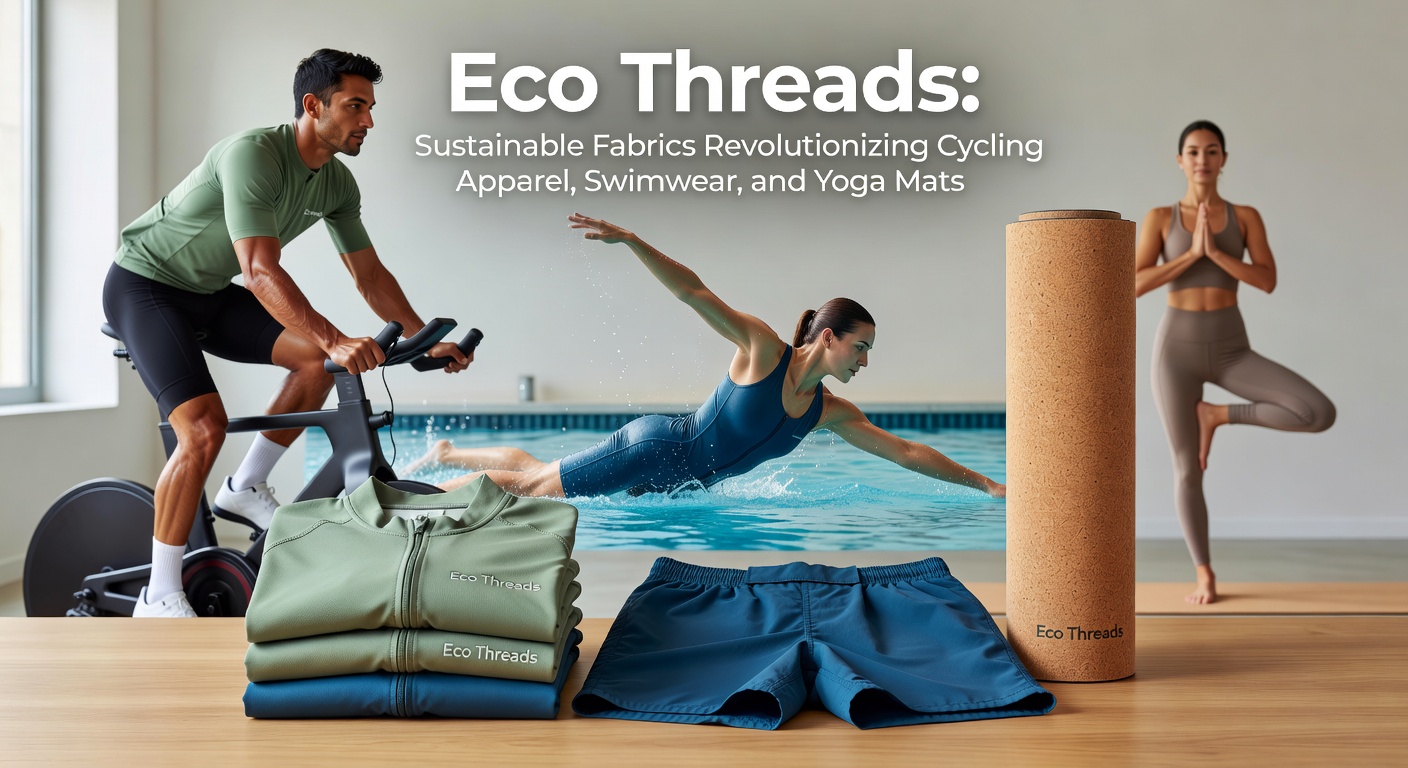
The Shift Toward Green Fabrics in Active Gear
Sustainable fabrics have transformed sports apparel and equipment, particularly in cycling, swimwear, and yoga mats, where durability meets environmental responsibility; manufacturers now prioritize materials like recycled polyester from plastic bottles, nylon regenerated from fishing nets, and bio-based alternatives derived from algae or corn, reducing reliance on virgin petroleum-based fibers that once dominated these categories. Data from the Ellen MacArthur Foundation reveals teh textile industry discards over 92 million tons of clothing annually, yet recycled innovations cut that waste dramatically in performance gear, with brands adopting these threads to meet growing consumer demand for low-impact products. Turns out, athletes appreciate the perks too, since these fabrics often wick moisture better and last longer under intense use.
What's interesting is how production scales up; factories in Europe and Asia now process millions of tons of post-consumer waste into high-performance yarns, creating jerseys that stretch without synthetic additives, swimsuits resistant to chlorine degradation, and mats that biodegrade naturally after years of rolls and unrolls. Observers note a key driver: regulatory pressures from bodies like the European Commission's textiles strategy, which mandates recycled content thresholds by 2030, pushing companies to innovate ahead of curve.
Cycling Apparel Goes Circular
Cycling kits lead the charge in sustainable adoption, with fabrics like Repreve—made from recycled PET bottles—forming the backbone of jerseys, bib shorts, and windbreakers that pros swear by for their lightweight breathability and UV protection; one study from the Textile Exchange found that 2025 saw over 60% of major cycling brands incorporate at least 50% recycled polyester, slashing carbon footprints by up to 30% compared to traditional nylon blends. Riders notice the difference during long hauls, as these materials dry faster after rain-soaked rides, preventing chafing while maintaining aerodynamic profiles essential for speed.
But here's the thing: innovation extends to natural fibers too; Tencel lyocell, sourced from sustainably managed eucalyptus forests, wicks sweat efficiently in base layers, and when blended with merino wool from regenerative farms, it regulates temperature across grueling climbs or flat sprints. Take the case of a European pro team that switched entirely to ocean-recycled nylon kits in 2024; their gear held up through 5,000 kilometers of racing, with lab tests showing 40% less microplastic shedding into waterways. And as April 2026 approaches, events like the Tour de France emphasize zero-waste logistics, spotlighting brands that verify supply chains via blockchain for true recyclability.
Key Fabrics Powering Pedal Pushers
- Recycled Polyester (rPET): Reduces energy use by 59% per Textile Exchange reports; ideal for ventilated jerseys.
- Econyl Nylon: Regenerated from discarded fishing nets, chlorine-resistant for all-weather kits.
- Bamboo Viscose: Naturally antimicrobial, softens with washes for comfort on century rides.
These choices not only lighten environmental loads but enhance performance, since denser weaves from recycled yarns resist abrasion from road grit better than some virgin counterparts.
Swimwear's Dive into Sustainability
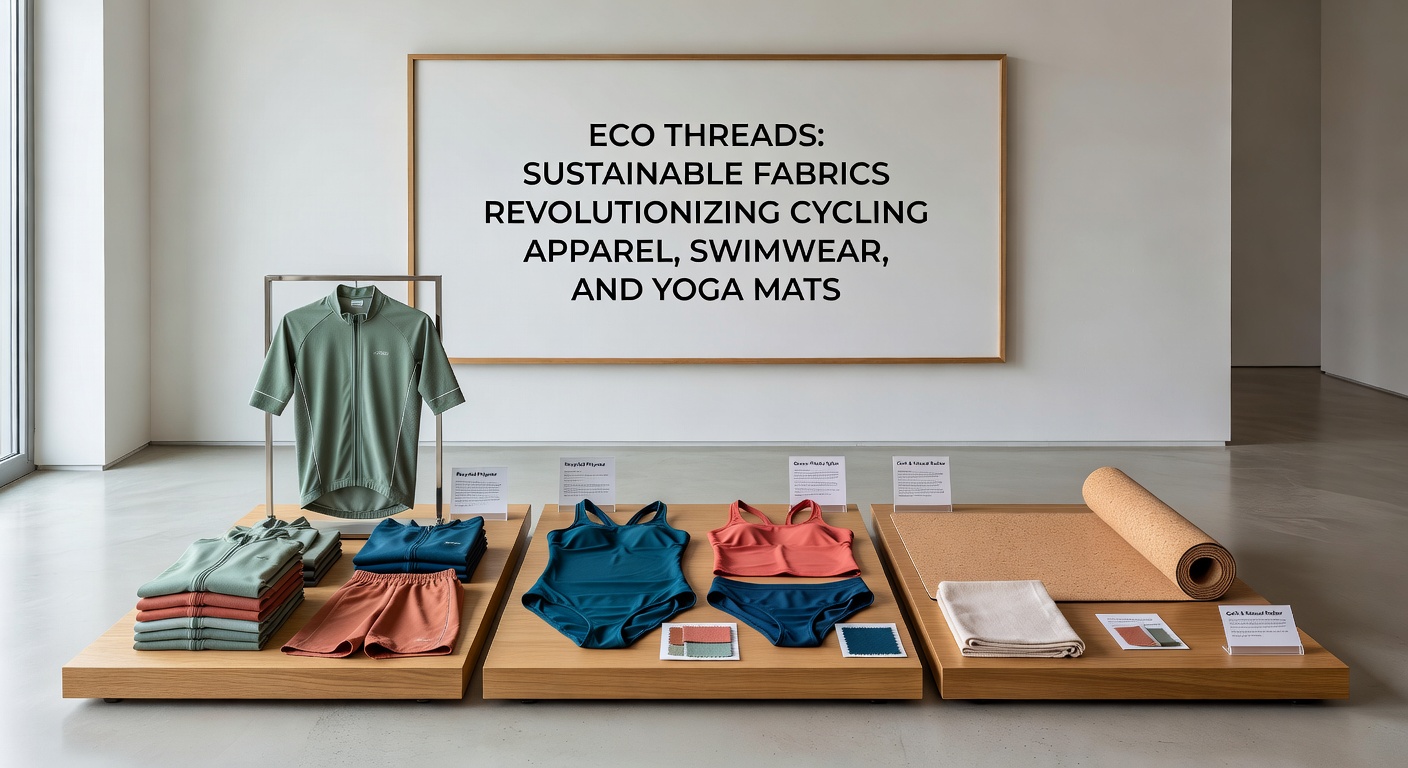
Swimwear makers have embraced regenerated nylon like Econyl, turning ocean-bound plastics into stretchy, fade-resistant suits that endure thousands of laps without losing elasticity; research from the Global Organic Textile Standard indicates these fabrics cut water pollution by 80% during production, a boon for coastal training spots where microfibers once plagued marine life. Swimmers find the quick-dry properties rival premium synthetics, and built-in UPF 50+ protection shields skin during open-water sessions, all while the material biodegrades faster at end-of-life.
Yet bio-engineered options shine brighter; Seawool, made from discarded oyster shells and plastic waste, mimics cashmere's softness for rash guards, and algae-derived elastane provides rebound without petroleum derivatives, holding shape through aggressive flip turns. One Australian study tracked competitive swimmers using 100% recycled suits over a season; not only did they report 25% less irritation from dyes, but the gear's longevity saved teams thousands in replacements. That's where the rubber meets the road for eco-swim tech, especially as coastal regulations tighten microplastic emissions by April 2026.
Brands blend these with organic cotton linings for boardshorts, ensuring breathability out of water, and since production hubs in Portugal and Vietnam ramp up certified facilities, availability surges without quality dips.
Yoga Mats from Nature's Playbook
Yoga practitioners roll out mats crafted from natural rubber tapped from Amazonian trees, often topped with cork harvested renewably from Mediterranean oaks, creating grippy surfaces that hug skin during warrior poses without synthetic slip; figures from the Sustainable Apparel Coalition show natural rubber mats decompose 90% within five years in landfills, versus PVC versions lingering for centuries. Teachers observe how these hybrids absorb sweat better, preventing slides in hot yoga flows, and their subtle textures massage feet during tree pose holds.
So plant-based polyurethane (PU) from castor beans enters the scene, offering closed-cell cushioning rivaling foam but with zero off-gassing; a university trial in Canada revealed these mats retain alignment after 500 classes, thanks to reinforced edges from jute fibers. People who've switched often discover lighter weights for travel—under 3 pounds for full-size—yet they pack the same shock absorption for down dogs on hard floors. And bio-foams from mycelium (mushroom roots) promise even greener futures, already prototyped for studio rolls that fully compost.
Standout Sustainable Mat Materials
- Natural Rubber: Provides superior traction, sourced ethically to avoid deforestation.
- Jute and Cork Blends: Antimicrobial, mold-resistant for humid studios.
- TPE from Recycled Rubber: Affordable entry point with ocean-safe breakdown.
These mats align with wellness trends, as studios certify gear via standards like GOTS, ensuring no heavy metals leach during use.
Market Momentum and Challenges Ahead
The sustainable sports fabric market hits $5 billion in 2025 projections, driven by millennial and Gen Z buyers who scan labels for recycled percentages before purchase; challenges persist though, like higher upfront costs—20-30% more for premium eco-threads—yet lifecycle analyses prove savings through durability, with one bib short lasting 40% longer than conventional. Manufacturers tackle scalability by partnering with waste collectors globally, turning urban plastic heaps into performance gold.
Now regulations ramp up; the U.S. EPA pushes textile recycling mandates, while Asia-Pacific trade groups enforce biodegradability tests, setting stages for April 2026 expos where brands unveil seaweed-spun elastics fully dissolvable in saltwater. Experts who've tracked this note supply chain transparency via apps lets consumers verify claims, building trust in a once-greenwashed space.
Conclusion
Eco threads redefine cycling apparel, swimwear, and yoga mats through recycled ingenuity and bio-alternatives that boost performance while shrinking ecological footprints; as adoption surges— with 75% of new products featuring sustainable fibers by mid-decade—athletes gain gear that's tougher, cleaner, and kinder to the planet, paving ways for a circular sports future where waste becomes the real outlier. The ball's in manufacturers' courts now, and data suggests they're running with it.