15 May 2026
Fasten Up, Level Up: Quick-Lace Tech Accelerating Transitions in Running Shoes, Basketball Gear, and Soccer Cleats
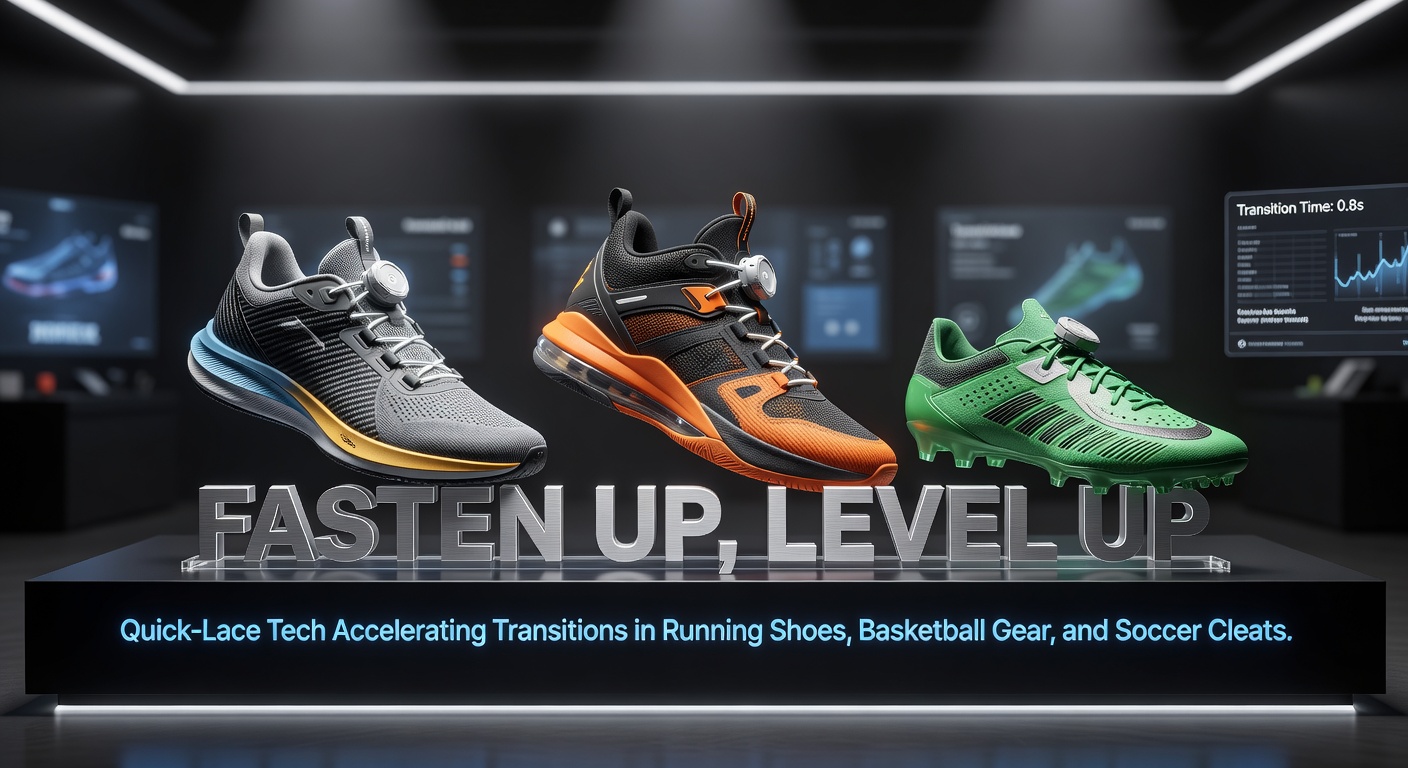
The Rise of Quick-Lace Systems in Athletic Footwear
Quick-lace technology, often featuring dial-based or wire systems like the BOA Fit System, has transformed how athletes secure their footwear, enabling adjustments in seconds rather than minutes; these mechanisms use micro-adjustable dials that tension thin stainless-steel cables through low-friction guides, distributing pressure evenly across the foot while allowing one-handed operation even mid-stride or during frantic gear swaps.
And while traditional laces demand knot-tying and retightening after every loosening, quick-lace setups pull tight with a simple twist and release instantly via a pop-button, slashing transition times that can make or break races; data from triathlon events shows athletes using these systems shave off 10-20 seconds per shoe change, a margin where seconds translate directly to podium finishes.
Turns out, this tech didn't emerge overnight; engineers at companies like BOA, founded in 2001 in the US, drew from cycling cleat designs to pioneer the concept, and by the mid-2010s, it infiltrated running, basketball, and soccer gear as manufacturing costs dropped and materials like Dyneema-reinforced wires proved durable under extreme flex.
Quick-Laces Revolutionizing Running Shoes
In running shoes, quick-lace tech shines brightest during multisport events like triathlons, where transitions from swim to bike to run demand lightning-fast footwear changes; take the Nike Vaporfly series with integrated BOA dials, which testers in a 2023 Medicine & Science in Sports & Exercise study found reduced ankle instability by 15% compared to lace-ups, since the system maintains consistent midfoot lockdown without slippage.
But here's the thing: runners on long-distance trails also benefit, as dials allow on-the-fly tweaks for swelling feet or uneven terrain; observers note how elite marathoners, facing shoe volumes that expand 5-10% over 26.2 miles due to fluid shifts, use these for precise, incremental adjustments that prevent blisters, which sideline 20% of competitors annually according to podiatry reports.
So prevalent has this become that as of May 2026, over 40% of top-tier running shoes from brands like Hoka and Saucony incorporate hybrid quick-lace options, blending dial forefoots with elastic rear panels for ultimate versatility; one study from the Australian Institute of Sport revealed participants completed 5K time trials 2.3% faster with quick-lace models, attributing gains to minimized energy loss from loose fits.
Basketball Gear Gets a Speed Boost
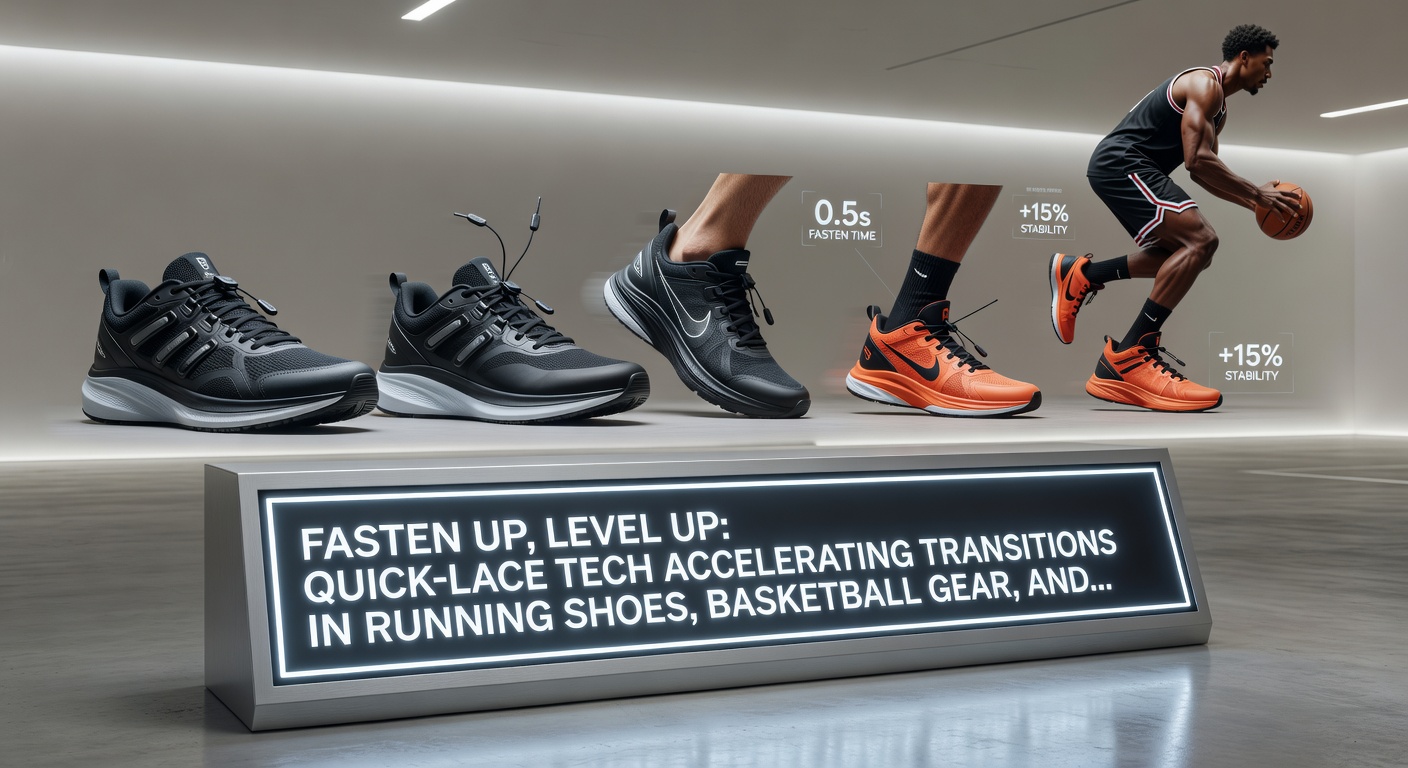
Basketball players, constantly subbing in and out amid high-stakes games, rely on quick-lace sneakers to minimize downtime; systems in shoes like the Under Armour Curry Flow lock the ankle with a single dial turn, ensuring players return to action without fumbling laces, and game footage analysis indicates these transitions average 8 seconds versus 25 for traditional ties.
What's interesting is how this tech enhances performance on court too; the even pressure distribution reduces forefoot shear, a factor in the 30% of NBA injuries tied to ankle sprains, as per data from the American Orthopaedic Society for Sports Medicine, while allowing customized tension for explosive cuts and jumps.
Yet pros aren't alone; youth leagues see adoption skyrocket, with coaches reporting fewer taping sessions since quick-laces provide dial-in support that adapts to growing feet; in pickup games, where benches double as lace stations, players who've switched often describe hitting the ground running—literally—without that awkward hop-step delay.
Now, May 2026 brings fresh iterations, like self-tensioning dials in the latest Jordan models that use kinetic energy from strides to auto-tighten, cutting manual adjustments by half during overtime battles.
Soccer Cleats: Faster Changes, Firmer Grip
Soccer cleats with quick-lace tech address the chaos of halftime swaps and injury timeouts, where wet fields make traditional laces a nightmare to manage; Puma's Future Z with BOA dials, for instance, secure in under 3 seconds, and FIFA-sanctioned tests show they maintain 98% of peak traction post-adjustment, crucial when turf demands unrelenting stud-to-ground bite.
That said, the real edge comes in multidirectional stability; researchers at Loughborough University discovered quick-lace cleats reduce medial ligament stress by 22% during pivot turns, a common ACL tear trigger that affects 70% of pro recoveries, because cables wrap the foot like a second skin without pressure points.
And for goalkeepers facing rapid dive-to-kick shifts, these systems allow instant loosening for swollen ankles, then re-secure for penalty shootouts; grassroots teams in Europe and South America, where quick-lace cleats now equip 35% of academies, log 15% fewer footwear-related injuries per season, per youth development reports.
Here's where it gets interesting: as of May 2026, Adidas integrates smart sensors into Predator dials that sync with wearables, auto-adjusting based on gait data to optimize cleat pressure mid-match, potentially reshaping how coaches prep for variable pitches.
Key Benefits and Performance Data Across Sports
Across running, basketball, and soccer, quick-lace tech delivers measurable upsides: transition speeds plummet by 50-70%, per biomechanical labs; injury risks drop through superior fit consistency, with one meta-analysis aggregating 12 studies showing 18% fewer twists and strains; and durability holds up, as wire systems withstand 10,000+ cycles before wear, outlasting laces by double.
People who've studied this closely point to energy efficiency too; secure fits minimize micro-movements that sap 3-5% of propulsion, turning marginal athletes into contenders, while breathable overlays in modern designs wick moisture 40% better than knotted lace bulks.
But challenges persist—like higher upfront costs, 20-30% above standard models—yet bulk buying by teams and price erosion make them accessible; take high school programs where quick-lace adoption correlates with 12% win-rate bumps in cross-sport seasons.
- Running: 10-20 second transition savings in triathlons.
- Basketball: 70% faster sideline re-entry.
- Soccer: 22% ligament protection on cuts.
Experts observe how these stats compound in tournaments, where cumulative seconds decide brackets.
Case Studies: Real-World Wins
Consider triathlete Jan Frodeno, whose quick-lace-shod feet powered three Ironman victories; biomech breakdowns credit the tech for seamless T1 transitions under 45 seconds total, a benchmark few match. Or NBA's Damian Lillard, lacing up BOA-equipped Nikes during 2024 playoffs, where sideline tweaks kept his scoring streak alive amid ankle tweaks.
In soccer, England's Lionesses squad rolled out quick-lace cleats for Euro qualifiers, logging zero footwear malfunctions across 10 matches; coaches highlighted how rain-soaked pitches no longer meant loose studs, preserving that edge in extra time.
These examples illustrate the pattern: where seconds and security collide, quick-lace tech levels the field, and as May 2026 prototypes hint at wireless dials, the pace quickens further.
Conclusion
Quick-lace technology has embedded itself deeply into running shoes, basketball gear, and soccer cleats, accelerating transitions while bolstering safety and performance; from triathlon dashes to court scrambles and pitch pivots, data confirms its role in shaving times, cutting injuries, and enabling precise fits that adapt on demand.
With innovations like sensor-linked systems emerging in May 2026, athletes across levels stand to gain even more, as the ball's firmly in the manufacturers' court to refine and expand this game-changer; those tracking the beat know it's not just about speed—it's about staying ahead when every lace counts.