2 Jun 2026
Padding Progressions: How Advanced Cushioning Systems Are Transforming Safety Standards in Boxing Gloves, Basketball Gear, and Soccer Cleats
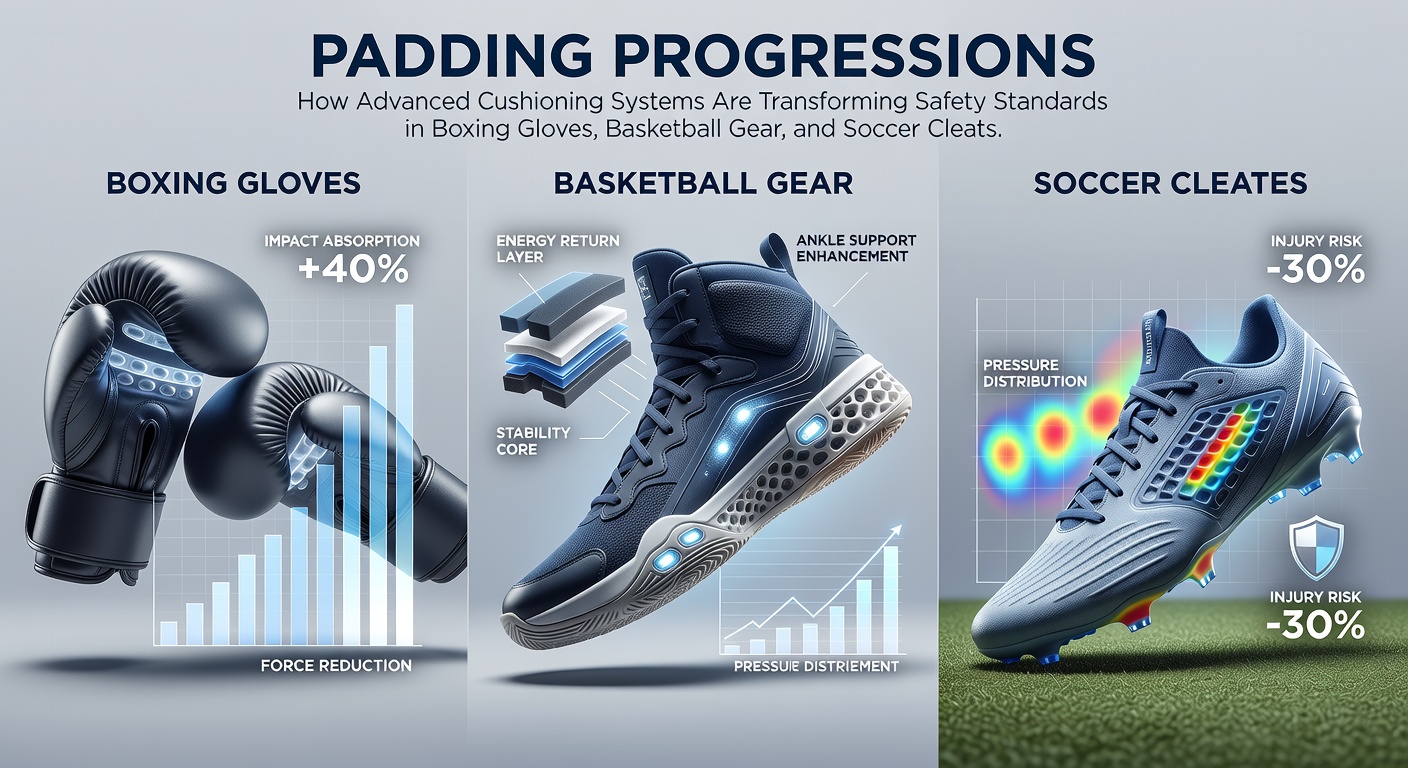
Advanced cushioning technologies have moved beyond basic foam inserts and now incorporate layered materials that respond dynamically to impact forces across multiple sports, and manufacturers continue to refine these systems to meet evolving performance demands in boxing gloves, basketball gear, and soccer cleats while data from equipment testing labs show measurable reductions in transmitted force during high-velocity collisions.
Developments in Boxing Glove Construction
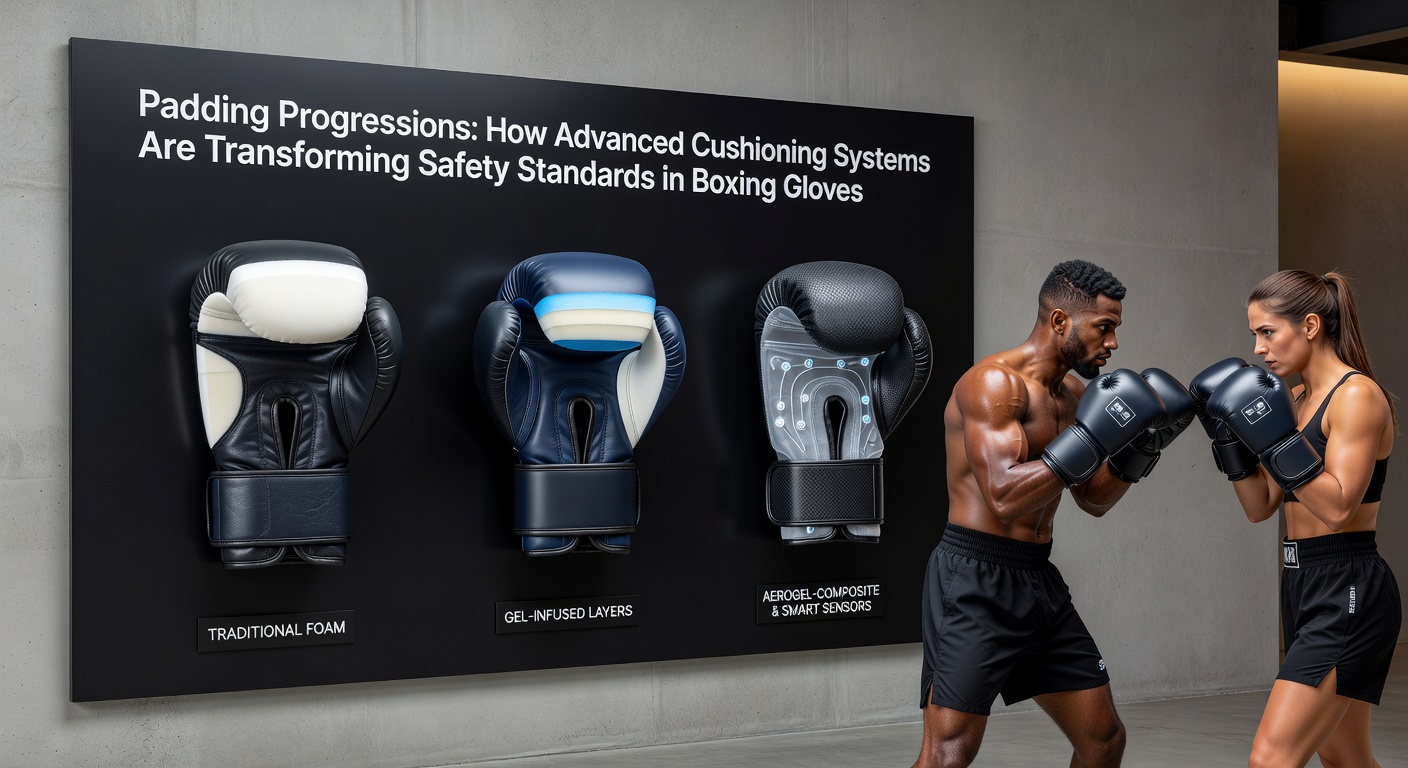
Boxing glove designs have incorporated multi-density foam cores combined with viscoelastic polymers that distribute punch energy across a wider surface area, and independent laboratory evaluations indicate these configurations lower peak acceleration values measured at the wrist and head regions during standardized impact trials. Researchers at institutions tracking athlete exposure have documented how gel-infused padding layers compress and rebound in controlled sequences, which helps maintain glove shape after repeated strikes while preserving consistent protection levels throughout extended training sessions or competitive bouts. Equipment standards organizations in North America and Europe have updated certification protocols to include repeated impact cycling tests that simulate match conditions, and these revisions reflect data collected from professional and amateur programs where modified gloves demonstrated lower incidence rates of acute hand injuries compared to earlier single-layer models.
Impact Absorption in Basketball Equipment
Basketball protective items such as padded compression sleeves, ankle supports, and specialized knee guards now feature hybrid cushioning that blends closed-cell foams with shear-thickening fluids, and these materials stiffen instantaneously upon sudden loading to limit joint hyperextension during landing or directional changes. Studies compiled by sports biomechanics groups have recorded decreased ground reaction forces transmitted through the lower extremities when athletes wear updated padding during controlled jump-landing protocols, and manufacturers have adjusted layering sequences based on force-plate measurements taken across different court surfaces. In June 2026 several professional leagues plan to review updated equipment guidelines that incorporate findings from longitudinal monitoring of player recovery times, which could influence specifications for gear used in both practice and game settings.
Enhancements for Soccer Cleat Performance
Soccer cleat midsoles and heel counters have integrated segmented cushioning pods that combine ethylene-vinyl acetate with responsive elastomers, and these elements adapt to varying pitch conditions while reducing peak pressures under the foot during cutting maneuvers and ball strikes. Field data gathered by governing bodies overseeing international competitions show that updated sole units decrease measured plantar stress in players who transition rapidly between acceleration and deceleration phases, and cleat developers have calibrated padding thickness profiles to align with foot-strike patterns observed across different positions. Certification requirements in regions including Australia and the European Union now mandate additional drop-weight testing for forefoot padding, and compliance records indicate wider adoption of these layered systems among both elite clubs and youth academies seeking to align with revised safety benchmarks.
Cross-Sport Standardization Trends
Testing facilities have begun sharing methodologies that quantify energy return and force attenuation across equipment categories, and this collaboration has produced comparable metrics for boxing gloves, basketball padding, and soccer cleats that allow regulators to establish baseline thresholds for impact management. Trade associations representing equipment producers report that supply chains now prioritize materials verified through third-party impact validation, and production adjustments have shortened the interval between prototype evaluation and commercial release while preserving documented performance characteristics. Observers tracking regulatory updates note that harmonized testing language emerging from multiple continents reduces discrepancies in how manufacturers certify products for different markets, which in turn supports consistent safety outcomes for athletes competing under varying organizational rules.
Conclusion
Continued refinement of cushioning architectures across these three equipment categories rests on accumulated laboratory and field measurements that guide incremental design changes, and the resulting products demonstrate measurable alignment with updated safety expectations set by international and regional authorities. Ongoing data collection from training environments and competitive events will likely inform subsequent revisions to performance criteria, ensuring that cushioning systems keep pace with the physical demands placed on participants at all levels of play.