24 Jul 2026
Phase-Change Materials Stabilizing Core Temperatures in Layered Athletic Wear
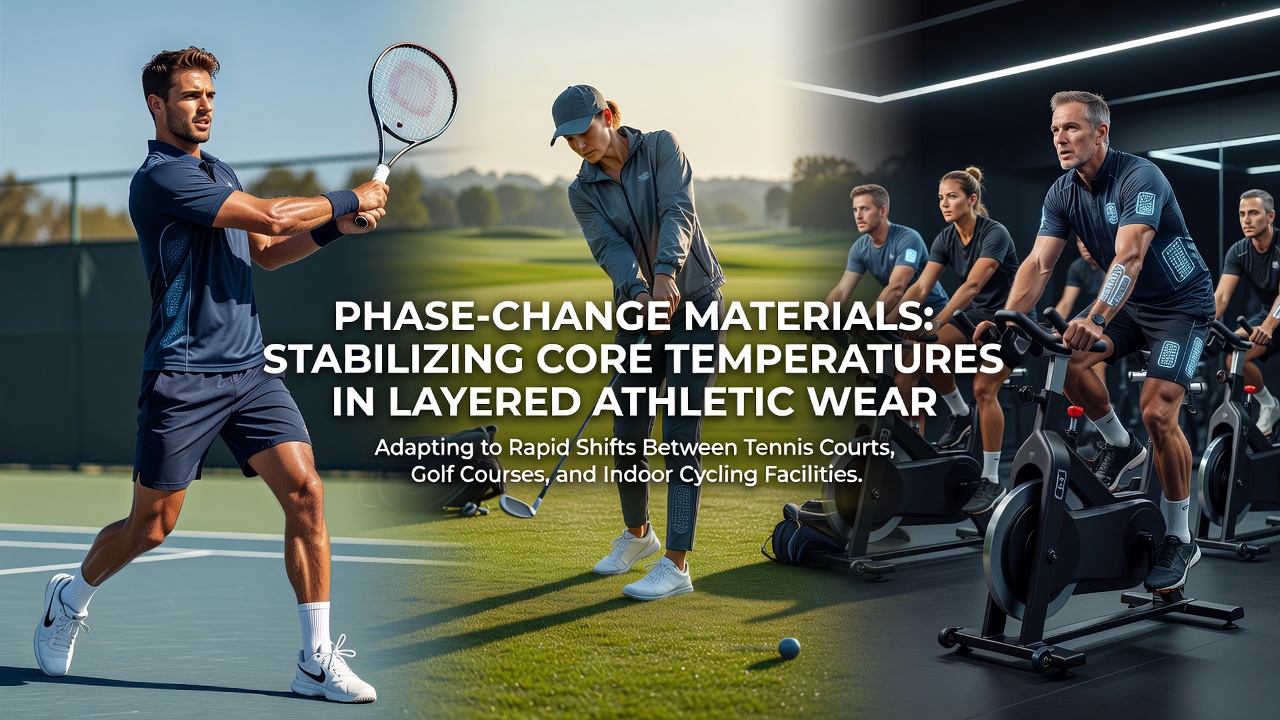
Phase-change materials embedded in layered athletic wear absorb and release thermal energy at precise temperature thresholds, which helps maintain core body temperatures when athletes move between tennis courts, golf courses, and indoor cycling facilities. These materials, often paraffin-based or salt hydrate compounds, undergo solid-to-liquid transitions that store excess heat during activity spikes and release it during cooler intervals, and researchers have documented their integration into fabrics since the early 2000s.
How Phase-Change Materials Function in Textiles
Engineers encapsulate phase-change materials within microcapsules that measure between 1 and 100 micrometers, then incorporate the capsules into fibers or coatings applied to base layers, mid-layers, and outer shells. When ambient temperatures rise above the material's melting point, typically set between 28 and 35 degrees Celsius for athletic applications, the phase change absorbs heat without raising fabric temperature; conversely, when temperatures drop, solidification releases stored energy. Studies from institutions such as the National Institute of Standards and Technology confirm that these cycles can repeat thousands of times without degradation, while fabric manufacturers adjust transition temperatures by blending different paraffin chains to match regional climate data and sport-specific exertion profiles.
Layered Construction for Multi-Environment Use
Apparel designers stack PCM-treated fabrics with moisture-wicking synthetics and breathable membranes so each layer contributes distinct thermal management functions. The innermost layer sits against the skin and uses PCMs with lower transition points to buffer immediate heat spikes from muscle activity, whereas outer layers incorporate higher-transition materials that respond to external conditions like direct sunlight on tennis courts or shaded fairways during golf rounds. Data collected from field trials in 2025 show that athletes wearing such systems experience core temperature fluctuations reduced by up to 1.2 degrees Celsius during rapid venue changes, and manufacturers continue to refine capsule distribution patterns through computational modeling that accounts for movement-induced airflow.
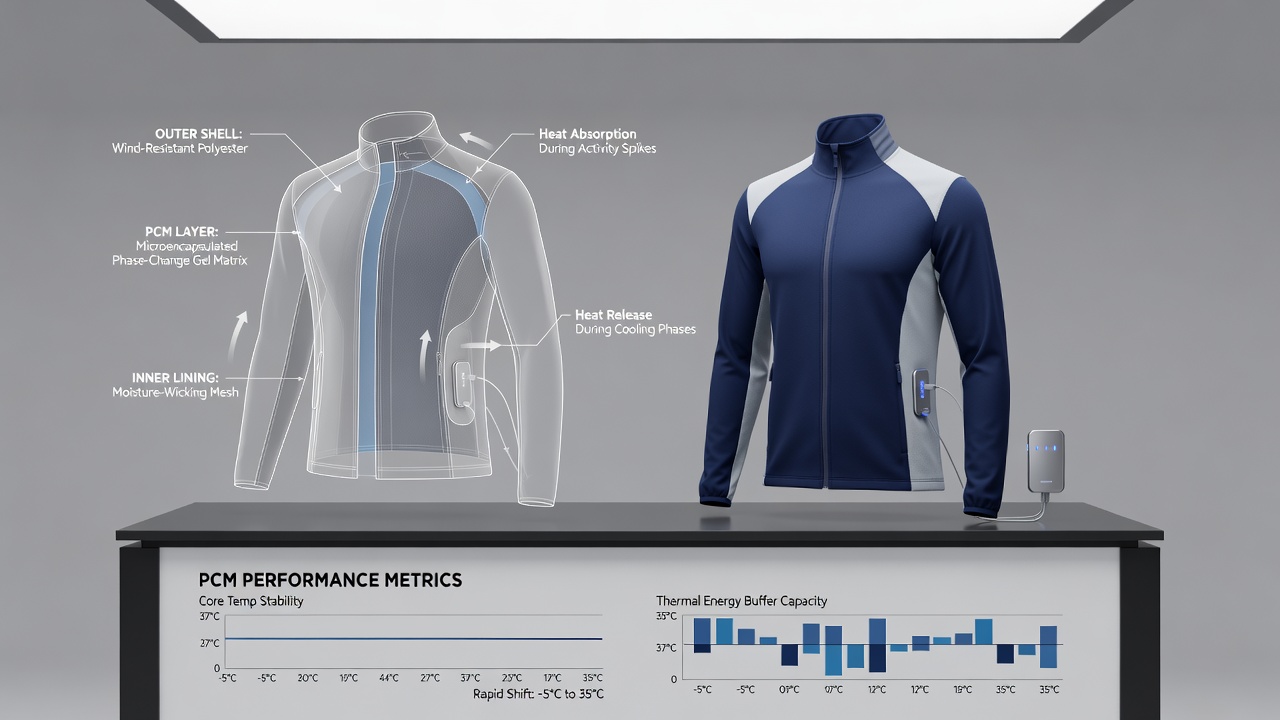
Performance Across Tennis, Golf, and Indoor Cycling
Tennis players face abrupt exposure to sun-heated court surfaces followed by shaded bench periods, and PCM layers in their base garments absorb radiant heat during rallies while releasing stored energy between points. Golfers encounter similar shifts when walking open fairways and then entering air-conditioned clubhouses, where the materials help prevent rapid cooling that can affect muscle readiness. Indoor cycling sessions generate sustained metabolic heat in controlled environments, yet transitions back outdoors require fabrics that quickly adapt to humidity and temperature differentials; PCM integration in cycling kits has been shown in laboratory tests to extend comfortable wear time by 25 percent before supplemental cooling becomes necessary. Observers note that combined use across these three activities demands garments engineered for wash durability, since repeated laundering can displace microcapsules if bonding techniques fall short of industry standards established in 2024.
Developments Observed Through Mid-2026
By July 2026, several European textile producers had scaled production of PCM-treated yarns using bio-derived phase-change compounds sourced from agricultural byproducts, which lowered the carbon footprint compared with petroleum-based alternatives while preserving thermal storage capacity. Research teams at Australian universities published comparative data indicating that athletes wearing updated layered systems maintained hydration levels more effectively during multi-hour training blocks that alternated between outdoor and indoor venues. Regulatory bodies in Canada updated voluntary labeling guidelines that year to require disclosure of PCM transition temperatures on performance apparel, enabling coaches and equipment managers to select products matched to specific athlete heat-tolerance profiles.
Conclusion
Continued refinement of microencapsulation methods and transition temperature calibration supports broader adoption of phase-change materials in athletic wear designed for rapid environmental shifts. Ongoing studies track long-term fabric integrity after extended use cycles, and manufacturers release updated constructions that integrate PCMs with complementary technologies such as moisture management and ultraviolet protection. These developments rest on measurable thermal performance metrics rather than marketing claims, and data from multiple geographic regions continue to guide iterative improvements in multi-sport apparel systems.