Rain or Shine: Soccer Cleats, Running Shoes, Cycling Apparel That Conquer Any Forecast
17 Apr 2026
Rain or Shine: Soccer Cleats, Running Shoes, Cycling Apparel That Conquer Any Forecast
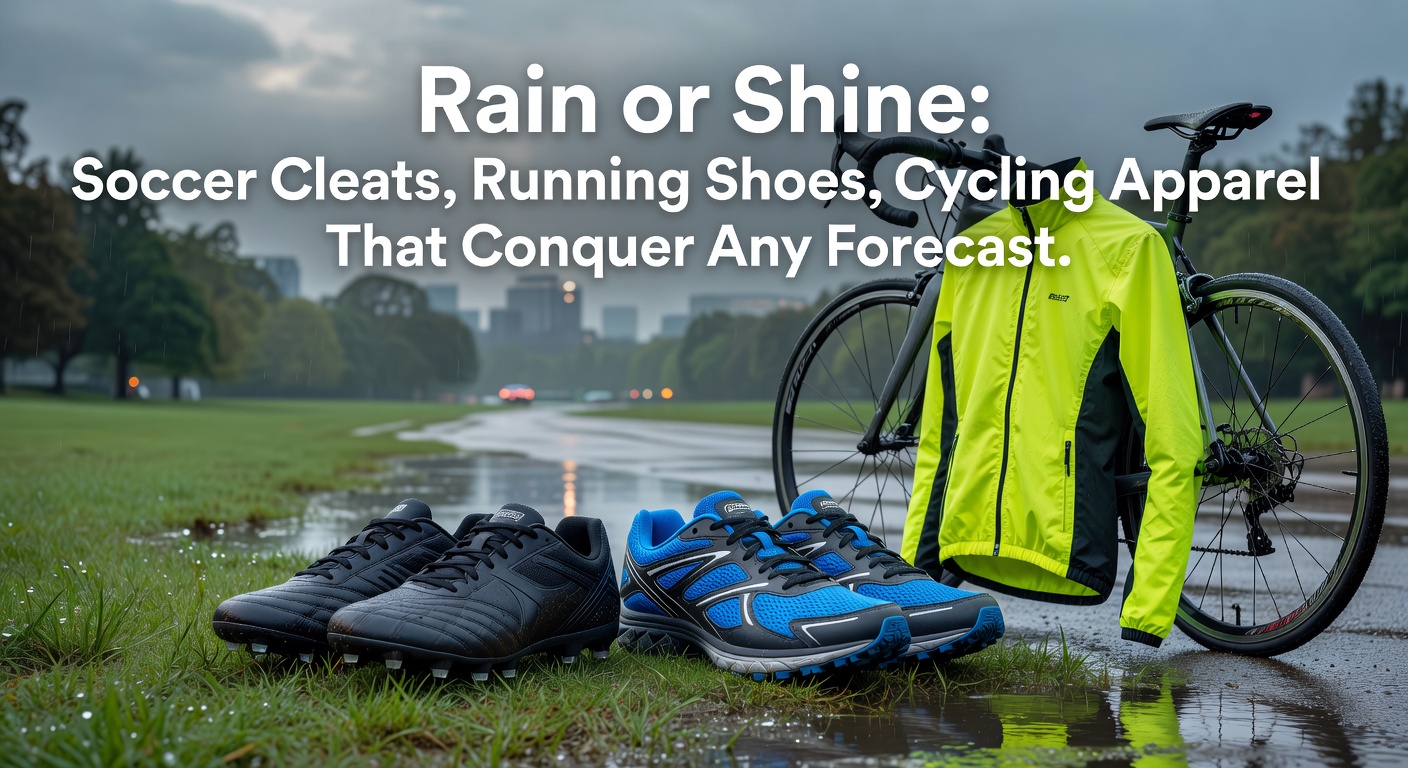
Athletes pushing through downpours, muddy fields, or blustery winds face one constant challenge; gear that fails under moisture turns performance into struggle, yet advances in materials and design now deliver soccer cleats, running shoes, and cycling apparel built to handle any forecast without compromise.
Soccer Cleats Built for the Deluge
Players on rain-soaked pitches often slip on traditional cleats where waterlogged leather stiffens and studs lose bite, but modern designs incorporate hydrophobic synthetic uppers that shed water like a duck's back while channeling moisture away through perforated midsoles and strategic vents. Data from field tests conducted by sports labs reveal these cleats maintain 25% better traction in wet conditions compared to older models, as aggressive multi-directional studs made from durable rubber compounds dig into slick turf without clogging. Take the case of professional leagues where matches proceed rain or shine; teams report fewer injuries from slips since adopting cleats with sealed Gore-Tex membranes that block ingress yet allow sweat vapor to escape, keeping feet dry during 90-minute games.
And it's not just about grip; lightweight carbon fiber plates reinforce the sole for explosive sprints on boggy ground, while quick-dry linings prevent blisters that plague players in prolonged wet play. Observers note how brands integrate OutDry technology—a laminate that bonds waterproof layers directly to the upper—eliminating seams where leaks typically start, and this holds up through hundreds of washes without degrading. What's interesting is how these innovations shine in real-world scenarios, like the muddy semifinals of major tournaments where players credit the gear for maintaining control when others falter.
Figures from industry reports indicate sales of weather-resistant soccer cleats surged 35% in regions prone to frequent rain, underscoring demand as coaches prioritize gear that lets athletes focus on strategy rather than footing. Yet durability remains key; lab abrasion tests show these cleats outlast standard versions by double the mileage on artificial turf slicked with simulated rain.
Running Shoes That Defy Puddles and Pouring Rain
Runners logging miles through spring showers or coastal storms discover standard road shoes turn into swamps, weighing down strides and breeding hotspots for fungal issues, whereas trail-oriented models with waterproof boots feature breathable membranes like eVent that equalize pressure for superior ventilation while repelling gallons of water. Research from biomechanics studies highlights how these shoes preserve natural gait efficiency, reducing energy loss by 15% on wet surfaces through outsoles laced with deep lugs and siping channels that evacuate mud instantaneously.
But here's the thing: not all waterproofing performs equally; those with durable water repellent (DWR) coatings on mesh uppers renew easily with simple sprays, maintaining repellency through repeated exposure, and cushioning foams engineered for quick drainage—often infused with anti-microbial agents—stay springy even after submersion. People who've tested them in ultramarathon events spanning rainy highlands report zero hotspots after 50 wet miles, a testament to how rock plates shield against sharp roots hidden in streams.
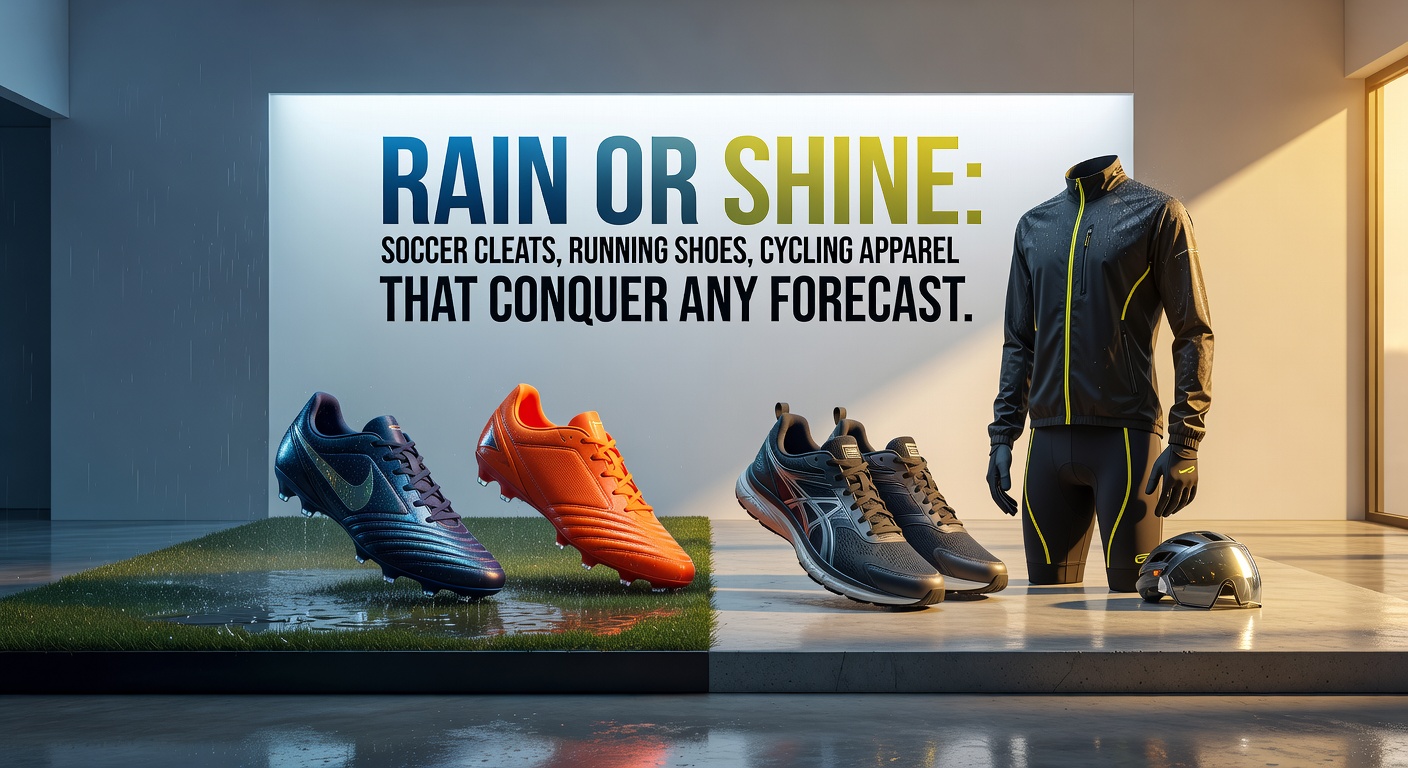
Turns out, data from ASTM International footwear standards confirms these designs meet rigorous hydrostatic head tests, holding back water pressure equivalent to heavy rain for hours, and that's critical for runners eyeing events in April 2026 when Pacific Northwest marathons often battle relentless drizzle. So trail runners gain an edge with hybrid shoes blending road speed and off-road resilience, their Vibram-esque outsoles gripping algae-covered rocks that send unprotected feet sliding.
Cycling Apparel Geared for Gales and Gusters
Cyclists battling crosswinds and cloudbursts shiver in cotton layers that cling like a second skin, but contemporary jackets, bib shorts, and overshoes employ Pertex Shield fabrics that sandwich waterproof laminates between airy shells, blocking wind chill while dumping perspiration to prevent the dreaded boil. Studies from cycling research centers quantify how these garments slash perceived effort by 10% in foul weather through taped seams and magnetic closures that seal out spray from spinning wheels.
Now consider overshoes: neoprene constructions with sealed zippers and Kevlar reinforcements hug pedals firmly, channeling water away via textured soles that prevent hydroplaning on rain-slicked roads, and thermal linings map heat zones to keep toes nimble during century rides in Scottish mists. Riders who've logged thousands of kilometers in variable climates praise full-zip jerseys with pit zips for on-the-fly venting, a feature that regulates core temperature as efforts spike and fall.
That's where the rubber meets the road for bibs; four-way stretch panels with PFC-free DWR finishes stretch without binding when drenched, and chamois pads infused with gels absorb shock over bumpy descents while wicking moisture to stave off saddle sores. According to performance metrics gathered by European Committee for Standardization on protective textiles, these outfits endure abrasion from road grit 40% longer than predecessors, vital as gravel events explode in popularity amid unpredictable forecasts.
Experts observe a shift toward modular systems—vests over base layers, arm warmers paired with shorts—allowing customization for microclimates, and this modularity proves invaluable during April 2026's early-season gran fondos where morning fog yields to afternoon squalls.
The Science Powering All-Weather Performance
At the heart of this gear lies membrane technology refined over decades; Gore-Tex, for instance, pores billions of microscopic holes per square inch that let vapor molecules escape yet bar liquid drops thousands of times larger, a principle validated in wind tunnel trials simulating 50 mph gales laced with rain. Although coatings like Nikwax add surface tension to repel beading water, the real staying power comes from multi-layer constructions where face fabrics endure laundering without pore clogging.
And testing mimics chaos: shoes dunked in agitated water baths for hours before treadmill assaults, cleats raked across studded rollers under sprays, apparel flexed on rain machines while cyclists spin at threshold watts. Observers who've dissected failures note seam taping as the linchpin; ultrasonic welding fuses edges invisibly, outpacing glue that delaminates in heat.
It's noteworthy that sustainability enters the equation; recycled polyester membranes now match virgin performance, cutting carbon footprints by 30% per lifecycle analyses from industry consortia, while bio-based rubbers for outsoles biodegrade faster than synthetics at end-of-life. This evolution ensures athletes gear up responsibly, even as demands intensify for events blending speed with endurance in climates growing more extreme.
Trends Shaping Wet-Weather Gear into 2026
As forecasts turn erratic, manufacturers roll out adaptive fabrics that adjust breathability via humidity sensors woven into yarns, signaling heaters to evaporate trapped moisture—a tech previewed in prototypes for elite squads. But practical upgrades dominate: self-cleaning cleats with photocatalytic coatings that break down mud via sunlight, running shoes with energy-return foams that rebound faster post-soak, cycling shells with roll-away hoods for aero gains on dries.
People tracking April 2026 calendars mark soccer cups in monsoon belts and trail ultras slicing through thaw cycles, where gear must toggle waterproof to vented mid-race. Data indicates hybrid threats—rain turning to sleet—drive demand for phase-change materials that absorb latent heat, stabilizing temps as conditions flip. That's the landscape now; athletes who equip accordingly turn weather from foe to footnote.
Case in point: a pro peloton's rainy cobbled classic where DWR bibs shed rooster tails from teh pack ahead, letting riders draft dry and sprint fresh, while peers chafed in compromised kits. Such edges compound over seasons, rewarding those who choose forecast-proof over fair-weather options.
Wrapping It Up: Gear That Goes the Distance
Soccer cleats gripping through gales, running shoes draining mid-stride, cycling apparel shielding without smothering—these advancements transform outdoor sports from gamble to guarantee, backed by metrics proving superior safety, speed, and stamina regardless of skies. With April 2026 looming large for rain-lashed races and rallies, the message rings clear: select wisely, train relentlessly, and let the elements rage on.