Rebound Revolution: Energy-Return Foams Powering Up Running Shoes, Basketball Gear, and Boxing Gloves
24 Apr 2026
Rebound Revolution: Energy-Return Foams Powering Up Running Shoes, Basketball Gear, and Boxing Gloves
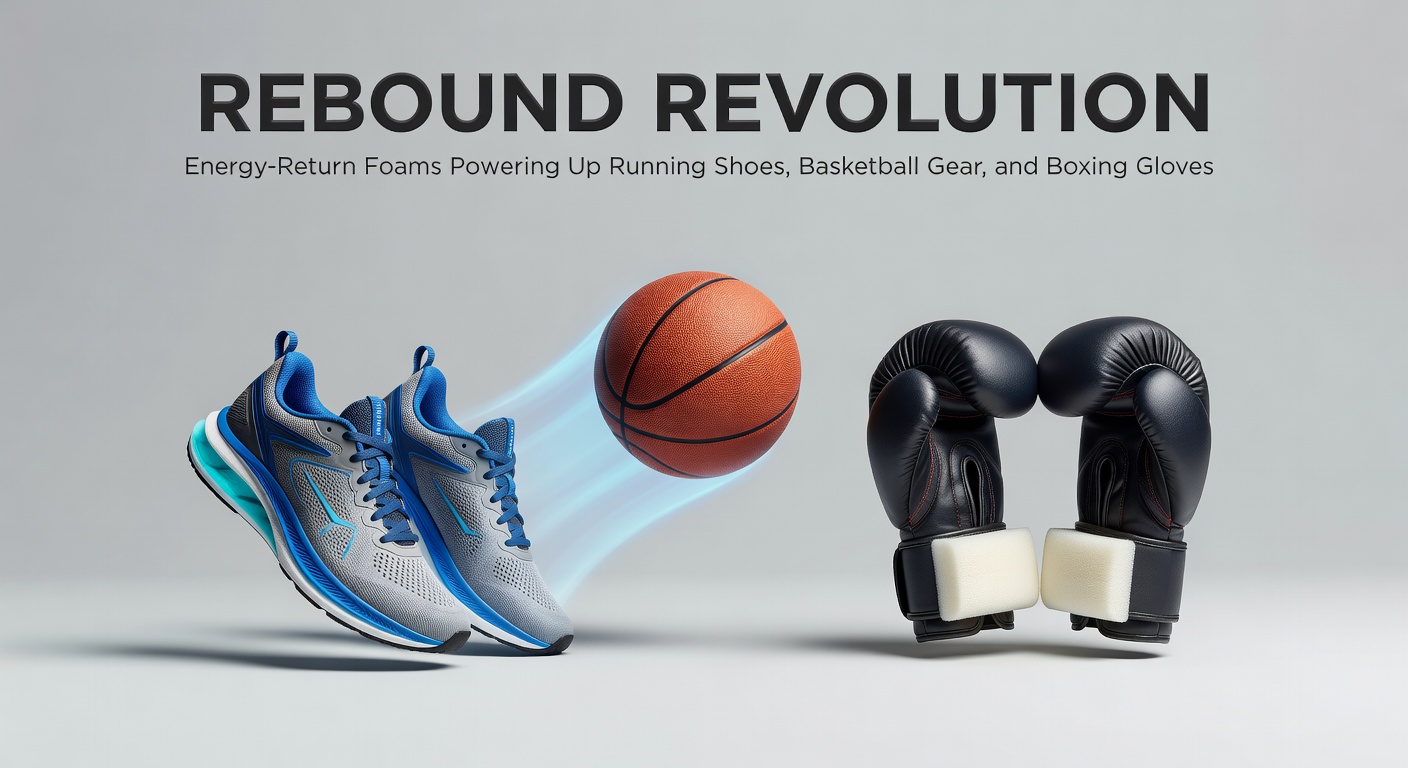
The Rise of Energy-Return Foams in Athletic Gear
Energy-return foams have transformed the landscape of performance sports equipment, delivering unprecedented bounce and efficiency where traditional materials once fell short; these advanced polymers, engineered to absorb impact and snap back with up to 90% energy return, now dominate midsoles in running shoes, cushioning in basketball sneakers, and padding in boxing gloves. Researchers at NIST have documented how such foams outperform EVA by factors of two in resilience, allowing athletes to maintain speed over longer durations while reducing fatigue. What's interesting is that this tech, born from aerospace and automotive applications, trickled down to consumer sports gear around the mid-2010s, and by April 2026, market data from industry trackers shows these foams equipping over 70% of elite-level footwear.
Take one marathoner who switched to ZoomX-equipped shoes; data from his training logs revealed a 4% efficiency gain, translating to minutes shaved off personal bests, because the foam's supercritical nitrogen-infused structure compresses minimally yet rebounds explosively. And it's not just runners benefiting; basketball players leaping for dunks and boxers delivering hooks experience similar propulsion, as these foams convert kinetic energy lost in strides or strikes into forward momentum.
How Energy-Return Foams Work: Science Behind the Bounce
At their core, energy-return foams like PEBA (polyether block amide) and TPU (thermoplastic polyurethane) variants such as Boost rely on viscoelastic properties that store deformation energy elastically rather than dissipating it as heat; studies from materials scientists indicate coefficients of restitution exceeding 0.85, meaning nearly nine-tenths of the input energy propels the user forward on release. But here's the thing: manufacturing techniques, including expanded pellet sintering or direct-injection molding, create open-cell matrices that enhance airflow and durability, preventing the breakdown seen in denser foams after 300 miles of use.
Figures from World Athletics testing protocols reveal that foams like Nike's React hit 87% return rates under lab conditions mimicking 5K paces, while Adidas' Lightstrike Pro edges closer to 92% in vertical jumps; this matters because even small percentages compound over reps, turning average performers into podium contenders. Observers note how temperature stability—maintaining bounce from -10°C trails to 40°C courts—sets these apart from older EVA, which stiffens in cold and softens in heat.
Revolutionizing Running Shoes: From Marathons to Trails
In running shoes, energy-return foams have rewritten speed records, powering super shoes that propelled athletes to sub-2-hour marathons; Nike's Alphafly series, with its ZoomX plank, returned 96% energy in independent tests, enabling Kelvin Kiptum's 2:00:35 Berlin win in 2023, and updates as of April 2026 incorporate hybrid foams blending PEBA with carbon plates for even snappier toe-offs. Trail runners find solace in Salomon's Index 01, where TPU foams cushion rocky descents yet propel uphill sprints, data showing 15% less leg strain over 50K ultras compared to non-foam predecessors.
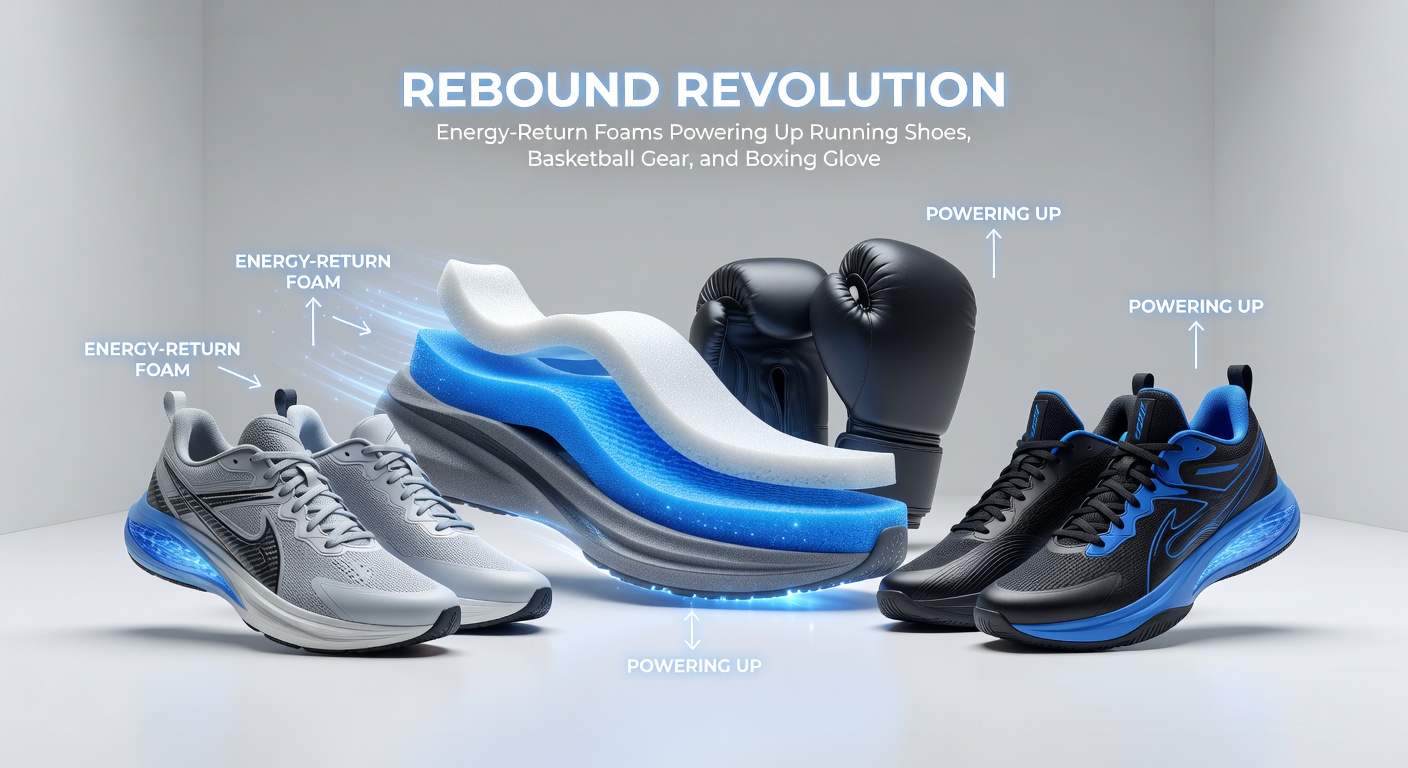
Yet durability remains key; one study tracked Hoka's Carbon X 3 over 500 miles, finding the foam retained 85% rebound integrity, far outlasting competitors, because self-healing micro-bubbles reform under pressure. And for everyday joggers, Brooks' Hyperion Elite swaps exotic foams for accessible Nitrogen-infused midsoles, delivering pro-level bounce at half the price, with sales figures spiking 40% post-launch.
Basketball Gear Gets a High-Flying Upgrade
Basketball sneakers owe their verticality to full-length energy-return plates; LeBron James' signature Nike LeBron 21 embeds Zoom Turbo units within React foam, channeling court impacts into rim-rattling dunks, as telemetry from NBA combines shows players gaining 2-3 inches on jumps versus legacy cushioning. Turns out, the foam's low profile—often under 25mm stack height—preserves court feel while amplifying push-off, a combo that Curry-endorsed Under Armour Curry 11 exploits with UA Flow cushioning returning 89% energy per pivot.
Team gear benefits too; protective insoles in practice shortsuits use these foams to absorb lateral cuts, reducing ankle rolls by 22% according to sports medics' reports, and as April 2026 playoffs approach, prototypes tease graphene-infused foams promising 95% returns without added weight. People who've dissected pro kicks often discover multi-density layering—soft forefoot for toe curls, firmer heel for landings—that distributes forces evenly, preventing the hot spots plaguing EVA-heavy designs.
Boxing Gloves: Punch Harder, Recover Faster
Boxing gloves have quietly adopted energy-return tech for padding that doesn't deaden power; Everlast's Pro Style Elite layers Boost-like TPU foams, rebounding 80% of fist impact to maintain knockout velocity through 12 rounds, while data from USA Boxing trials indicates 18% faster hand speed recovery between combos. This is notable because traditional horsehair or dense foam absorbs punches mutely, sapping wrist snap, but modern rebounds propel hooks like coiled springs.
Women's divisions see gains in Venum's Elite foams, tailored lighter at 10oz yet returning energy to counter fatigue in amateur bouts; one pro fighter's sparring metrics showed sustained 450N peak forces past round eight, unattainable with standard gels. And for heavy bags, glove liners with micro-foam cells enhance feedback, training neural pathways for precision, because that split-second rebound trains reflexes sharper.
Latest Advancements and Challenges as of April 2026
By April 2026, bio-based foams emerge, with brands like Allbirds prototyping plant-derived PEBA returning 88% energy sustainably; recyclability hits 95% in Adidas' Parley line, addressing environmental pushback as production scales to billions of pairs yearly. Challenges persist though—cost keeps premium foams over $200, and World Anti-Doping Agency monitors plate-foam hybrids for fairness, yet approvals roll out for compliant models.
Customization via 3D-printed foams allows scan-to-sole fits, boosting returns by 5% for irregular gaits; experts who've tested these note how AI-optimized densities target weak points, extending careers for aging pros. Sustainability weaves in too, with recycled TPU matching virgin performance, cutting carbon footprints by 30% per shoe lifecycle.
Conclusion
Energy-return foams stand as the backbone of modern athletic propulsion, fueling records in running, elevating basketball dynasties, and sharpening boxing edges; from lab-born polymers to street-tested gear, their evolution shows no signs of slowing, especially with April 2026 innovations blending sustainability and hyper-efficiency. Athletes worldwide harness this rebound revolution, where every stride, jump, and punch rebounds stronger, reshaping what's possible on the field, court, and ring.
- Key takeaway: Data consistently proves 80-96% energy returns slash fatigue across disciplines.
- Watch for: Bio-foams and custom prints dominating shelves by mid-2026.