29 May 2026
Sensor Integration Revealing Usage Patterns in Fitness Equipment and Golf Clubs for Personalized Maintenance Schedules
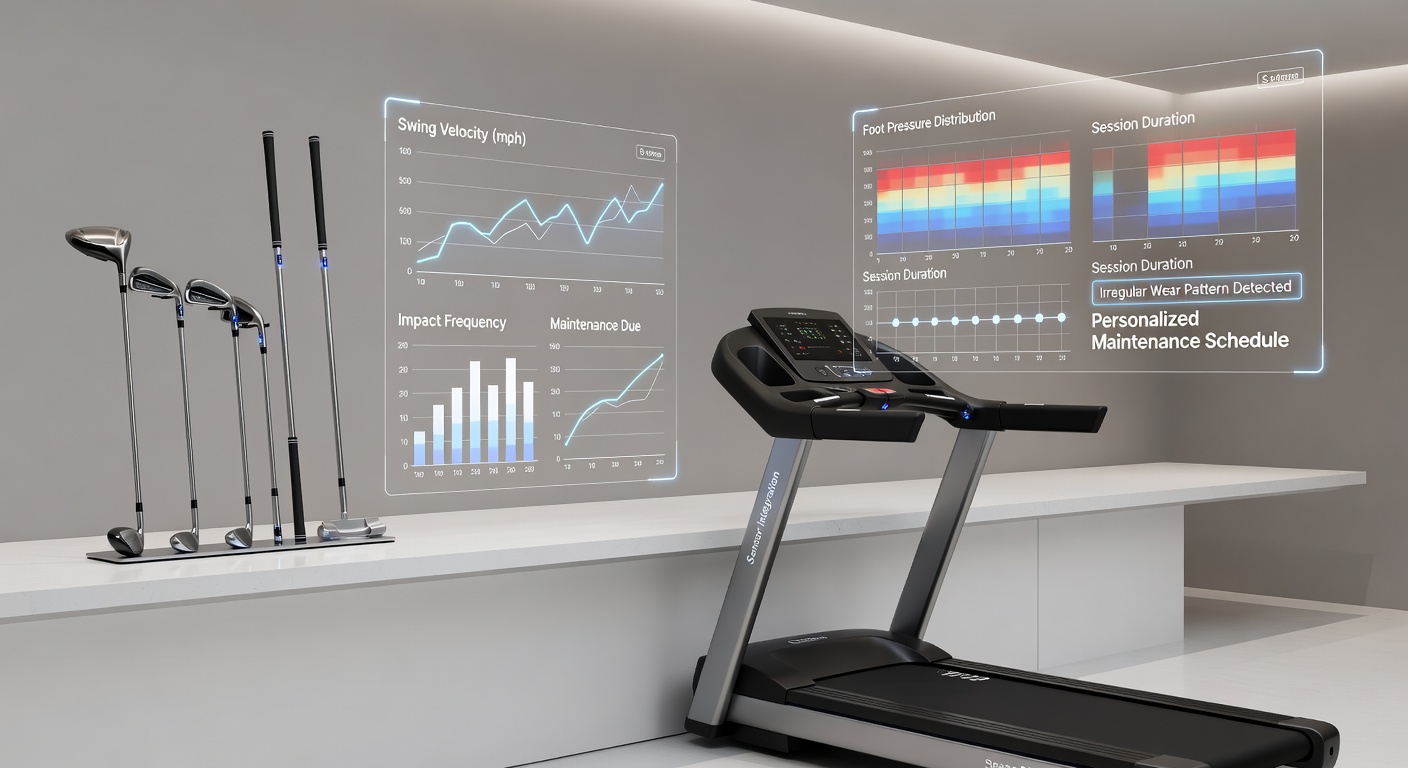
Modern athletic facilities and recreational venues have adopted sensor technologies that capture detailed operational data from treadmills, weight machines, elliptical trainers, and golf clubs, allowing operators and owners to move beyond fixed maintenance calendars toward schedules driven by actual usage metrics. Accelerometers, strain gauges, and pressure sensors installed within these devices record variables such as repetition counts, swing velocities, force distribution, and vibration frequencies, then transmit the information to centralized analytics platforms that identify wear thresholds before component failure occurs.
How Sensors Capture Operational Data
Embedded microcontrollers in commercial fitness equipment sample motion at rates exceeding 100 hertz while golf club shafts fitted with similar modules log torque and impact events during each strike. The resulting datasets reveal patterns such as asymmetric loading on treadmill belts after 12,000 strides or progressive loosening in club hosel connections following 8,500 full swings, information that previously remained invisible until visible degradation or user complaints appeared. Facilities in North America and Europe began scaling these integrations in 2024, with adoption expanding further by May 2026 as wireless protocols standardized across manufacturers.
Usage Pattern Analysis and Maintenance Triggers
Algorithms process the continuous streams to establish individualized baselines for each piece of equipment rather than applying uniform service intervals. A rowing machine used primarily for high-intensity interval sessions accumulates different stress signatures than one reserved for steady-state cardio, prompting earlier inspection of its resistance mechanism in the former case. Likewise, a driver employed by a player with a steep attack angle experiences elevated face wear compared with clubs swung by golfers favoring shallower trajectories, enabling targeted grip or shaft replacements instead of wholesale set overhauls.
Maintenance teams receive automated alerts when cumulative metrics approach manufacturer-specified limits, shifting interventions from reactive repairs to proactive component exchanges. This approach reduces downtime because parts arrive before breakdowns interrupt facility operations or individual practice routines.
Implementation Across Equipment Categories
Commercial gyms integrate the sensors directly into frame assemblies and moving parts, while aftermarket kits allow retrofitting of existing golf sets with removable modules that pair via Bluetooth to smartphone applications. Data aggregation platforms correlate usage with environmental factors such as humidity levels affecting metal fatigue or temperature fluctuations altering polymer elasticity in grips. Research conducted at the University of Calgary demonstrates that clubs monitored under variable prairie conditions required 22 percent fewer emergency adjustments when serviced according to sensor-derived schedules rather than calendar-based ones.
Data Integration and Predictive Models
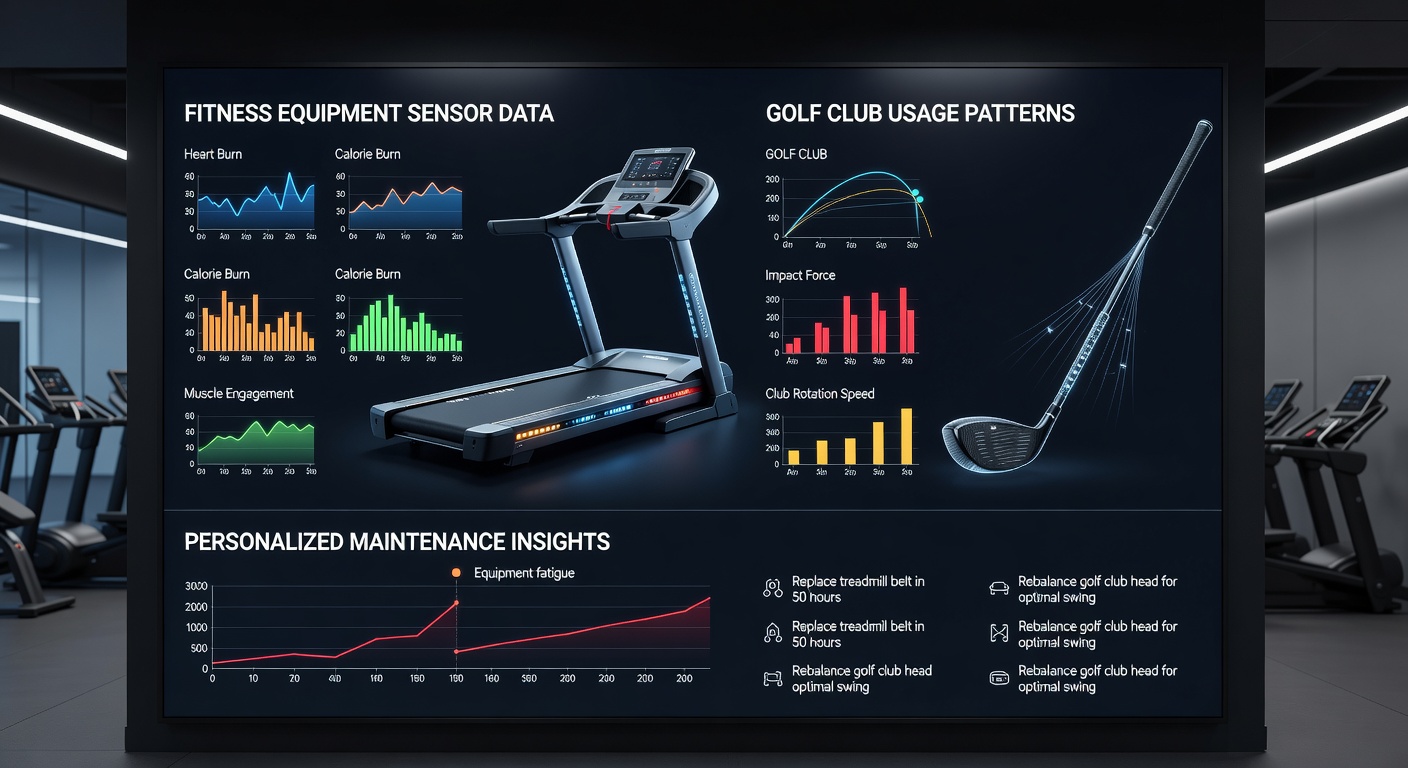
Cloud-based systems combine sensor outputs with historical service records to refine prediction accuracy over successive cycles. A multi-club facility in Melbourne reported that integrating vibration data from elliptical trainers with user frequency logs allowed technicians to schedule belt replacements at 14,700 operating hours instead of the previous 10,000-hour default, extending component life while maintaining safety margins. Similar models applied to golf club sets factor in swing speed distributions across different lofts, producing maintenance windows that align with seasonal playing volumes rather than arbitrary quarterly checks.
Standards organizations including the International Organization for Standardization have begun outlining interoperability guidelines for these sensor outputs, facilitating data sharing between equipment brands and third-party analytics providers. As of May 2026, several professional training centers in Australia and Canada operate fully sensor-driven programs that feed directly into inventory management software, automatically ordering replacement parts when thresholds near.
Benefits for Operators and Users
Operators observe measurable reductions in unplanned equipment outages because maintenance occurs at the moment usage data indicates necessity rather than at fixed intervals that may occur too early or too late. Golfers and fitness participants experience consistent equipment performance since components receive attention before playability or safety degrades noticeably. Aggregated anonymized datasets also inform manufacturers about real-world durability, guiding future design iterations that address the most common failure modes identified through field monitoring.
Conclusion
Sensor integration continues to transform maintenance practices by replacing generalized schedules with precise, usage-informed interventions across both fitness equipment and golf clubs. The approach relies on continuous data collection, algorithmic pattern recognition, and timely alerts that keep devices operational longer while minimizing service interruptions. As hardware costs decline and standardization advances, wider deployment appears likely in both commercial and private settings.