9 Jun 2026
Thermal Regulation Layers in Multi-Sport Apparel and Their Role in Stabilizing Body Metrics During Extended Cross-Training Sessions
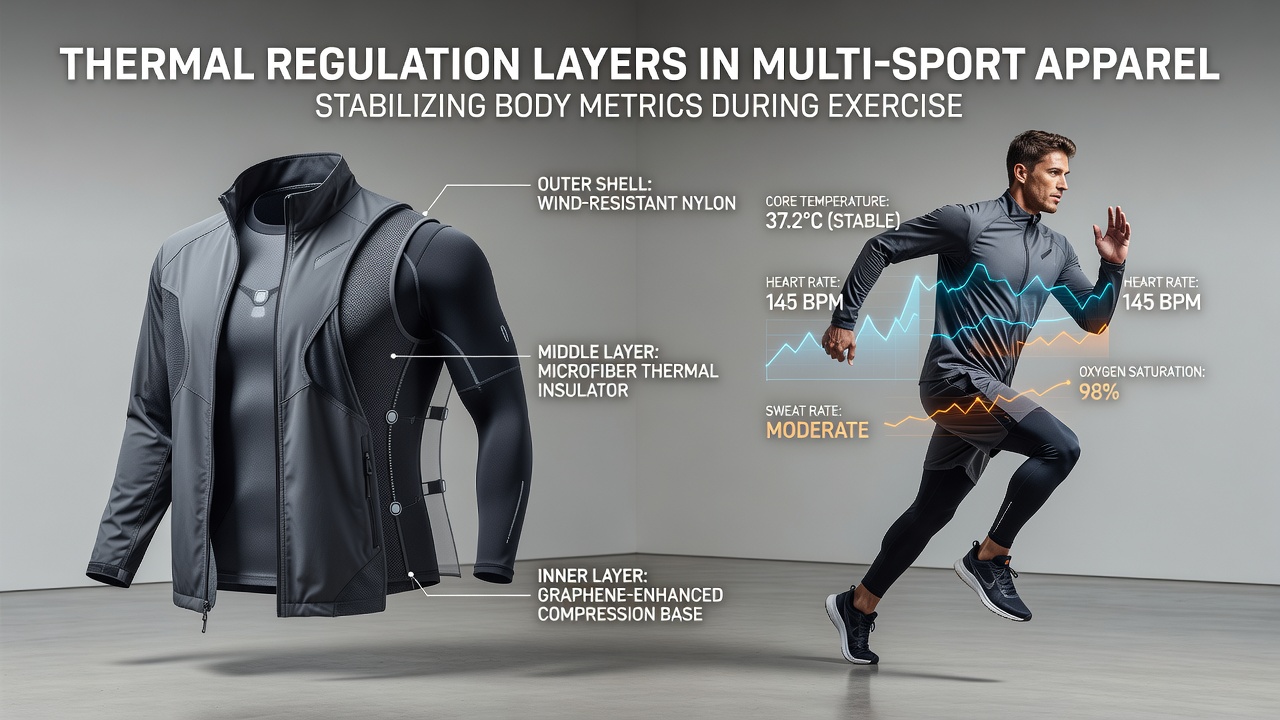
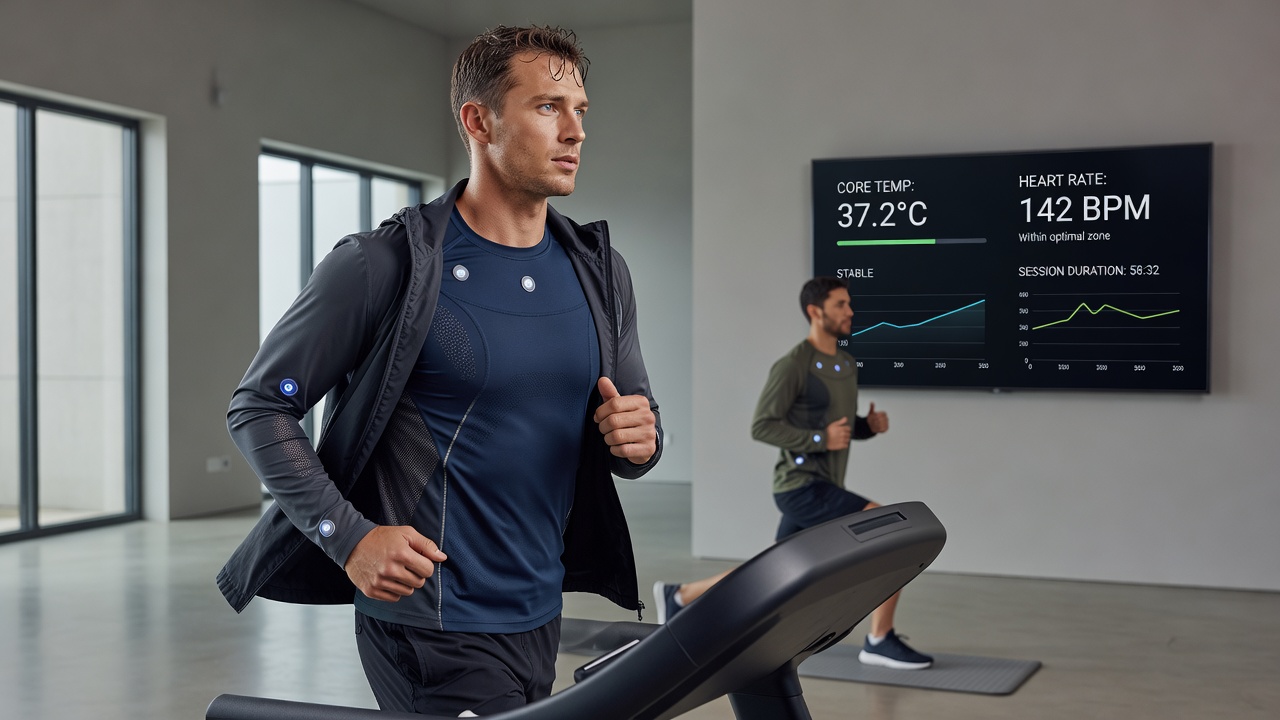 Thermal regulation layers form the foundation of many modern multi-sport apparel systems, and they work by managing heat transfer, moisture movement, and insulation across changing activity intensities. These layers typically include base garments constructed from synthetic blends or natural fiber hybrids that respond to body heat and external conditions without requiring manual adjustments from the wearer. Athletes in disciplines ranging from running to cycling and strength circuits rely on these fabrics to keep core temperature within narrow ranges that support consistent performance output. Materials in these layers often combine polyester or nylon filaments with phase-change additives or embedded ceramic particles, while some incorporate merino wool segments for targeted zones. The construction allows sweat to migrate away from the skin surface quickly, which reduces evaporative cooling spikes during high-output intervals and prevents overheating during recovery segments of a session. Data from textile testing facilities shows these fabrics can lower skin temperature fluctuations by measurable margins compared with standard cotton or basic synthetic alternatives during prolonged efforts.
Mechanisms Behind Body Metric Stabilization
Body metrics such as heart rate, skin temperature, and hydration status shift rapidly when athletes switch between aerobic and anaerobic demands in a single cross-training block. Thermal regulation layers stabilize these readings by creating a microclimate next to the skin that buffers external temperature swings and internal heat production. This buffering occurs through a combination of moisture wicking channels and variable-density weaves that adjust airflow based on movement patterns.
Researchers tracking athletes in controlled environments note that consistent use of these layers correlates with steadier heart rate recovery between exercise bouts. The effect stems from reduced thermal stress on the cardiovascular system, since the apparel prevents excessive heat retention or rapid heat loss that would otherwise force compensatory changes in blood flow and respiration rates. Hydration metrics also benefit because sweat evaporates more evenly rather than pooling, which helps maintain electrolyte balance over sessions exceeding ninety minutes.
Application Across Cross-Training Formats
Extended cross-training sessions combine elements like trail running, indoor rowing, and bodyweight circuits, each producing distinct thermal loads. Apparel with integrated regulation layers adapts to these shifts without forcing athletes to change garments mid-session. The same base layer that manages heat during a run can retain enough warmth during a static strength portion because the fabric structure includes both venting panels and heat-trapping zones.
Coaches working with multi-sport programs report that athletes maintain more predictable power output when wearing such systems, particularly in variable weather. In June 2026, training schedules for summer competitions have placed heavier emphasis on these apparel choices because outdoor conditions fluctuate more widely during early morning and midday sessions. The layers help keep muscle temperatures in ranges that support mobility without the need for additional warm-up protocols between stations.
Performance Data and Measurement Approaches
Studies conducted by institutions such as the University of Queensland have examined how thermal layers influence core temperature drift during mixed-modality workouts. Participants wearing regulation apparel showed smaller deviations in rectal temperature readings across two-hour sessions compared with control groups in standard training kits. These differences translate into lower perceived exertion scores even when total work output remains constant.
Wearable sensor integrations now allow real-time tracking of these effects in field settings. Chest straps and armbands capture skin temperature alongside heart rate, revealing patterns where regulation layers reduce the frequency of temperature spikes above 38 degrees Celsius during repeated sprint intervals. Such data helps equipment designers refine panel placement and fiber blends for specific cross-training sequences.
Material Advances and Testing Standards
Manufacturers have introduced multi-layer laminates that incorporate aerogel particles or graphene coatings to enhance thermal conductivity control. These additions appear in apparel lines targeted at athletes who train across wide temperature bands, from cool indoor facilities to warm outdoor environments. Independent labs verify performance through standardized protocols that simulate sweat rates and movement friction over extended durations.
Standards organizations in Europe and North America have updated testing criteria to include dynamic cross-training simulations rather than static wear trials alone. The updated methods account for posture changes and intermittent high-intensity bursts that characterize sessions lasting multiple hours. Results from these protocols guide labeling claims about metric stabilization and help consumers identify products suited to their specific training demands.
Conclusion
Thermal regulation layers continue to evolve as integral elements in multi-sport apparel, directly influencing how athletes manage physiological metrics across varied training demands. Their design focuses on consistent moisture transport and temperature buffering that supports steadier heart rate, skin temperature, and hydration profiles during extended sessions. Ongoing material refinements and measurement techniques provide clearer evidence of these effects, allowing programs to incorporate apparel choices into broader training strategies without relying on subjective adjustments.