12 Jul 2026
Wear Pattern Analytics Guiding Maintenance Routines for Fitness Tools, Court Accessories, and Field Equipment in Shared Training Environments
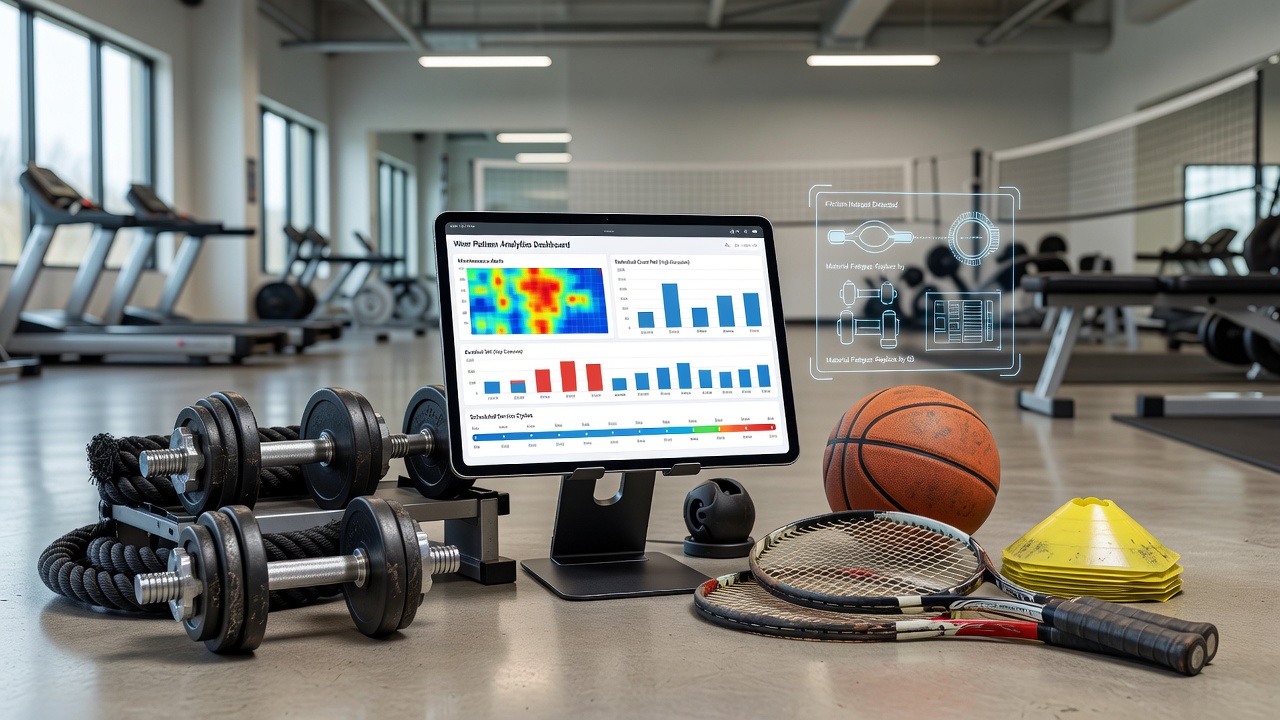 Wear pattern analytics involves the systematic collection and interpretation of data from surfaces and components that experience repeated contact during use, and facilities apply these methods to schedule repairs or replacements before failures occur. In shared training environments the approach proves especially useful because multiple users interact with the same items daily, which accelerates material breakdown across fitness tools such as weight benches and cable machines, court accessories including tennis net posts and basketball backboards, and field equipment like soccer goal frames and track hurdles. Data collection typically relies on sensors embedded in high-contact zones or periodic manual scans that record depth of grooves, loss of material thickness, and changes in surface friction coefficients. Facilities integrate these measurements into maintenance calendars that adjust based on observed rates of deterioration rather than fixed time intervals. Research from the University of Queensland shows that facilities adopting wear analytics reduced unplanned downtime by 27 percent over a 12-month period ending in June 2026. Observers note that patterns often reveal uneven stress distribution, for instance when one side of a weight bench receives more pressure from right-handed users, and this insight allows targeted reinforcement instead of full component swaps.
Data Collection Methods in Multi-User Settings
Technicians capture wear data through portable 3D scanners and pressure-mapping mats placed beneath equipment during peak hours. These tools generate heat maps that highlight zones where material loss exceeds 0.5 millimeters per month, and the information feeds into software that predicts remaining service life. In July 2026 several municipal sports complexes in Canada began piloting wireless vibration sensors on field equipment frames, which transmit readings every four hours to central dashboards. The sensors detect micro-fractures forming at weld points on soccer goal crossbars before visible cracks appear, allowing crews to intervene during low-traffic periods.
Court accessories present distinct challenges because they combine rigid frames with flexible nets and padding. Analytics track both metal fatigue around mounting bolts and fabric abrasion along net edges. When data indicates that net cord diameter has decreased by 15 percent, staff schedule replacement during overnight closures rather than waiting for breakage during matches. This method keeps replacement costs predictable and minimizes disruption to training schedules.Application Across Fitness Tools and Court Accessories
Fitness tools in shared gyms experience concentrated wear at grip areas and pivot joints. Analytics software correlates usage logs from check-in systems with measured groove depth on dumbbell handles, producing maintenance alerts when wear reaches thresholds established by equipment manufacturers. One facility in Melbourne reported that early detection of cable fraying on functional trainers extended average cable lifespan from nine months to fourteen months after implementing weekly scan protocols.
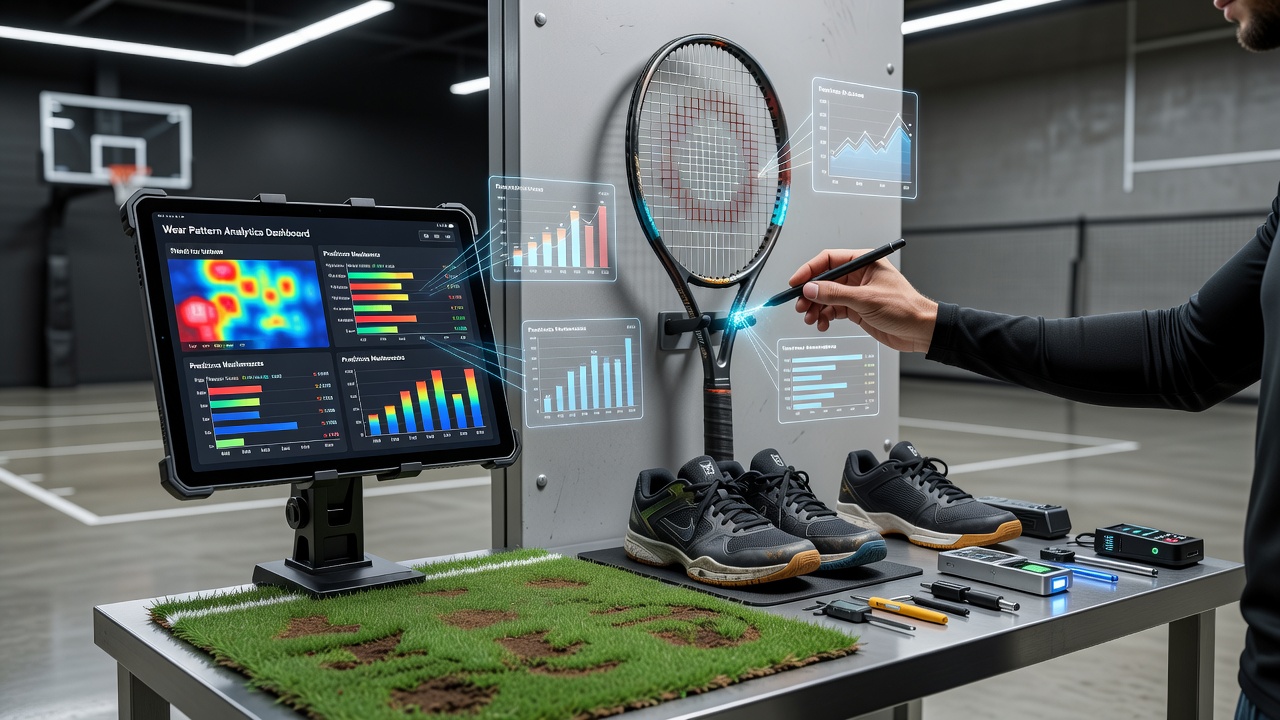 Court accessories such as volleyball standards and badminton posts also benefit when facilities log impact frequency and location. Data shows that posts positioned near high-traffic walkways accumulate dents at lower heights, prompting installation of protective sleeves before structural integrity declines. Maintenance teams review aggregated reports monthly, and adjustments to rotation schedules for movable equipment help distribute wear more evenly across the inventory.
Field Equipment Monitoring and Predictive Scheduling
Field equipment faces exposure to both mechanical stress and environmental factors such as moisture and temperature fluctuations. Wear analytics combine surface scans with soil compaction readings around goalpost bases, since repeated impacts compact ground and increase lateral stress on uprights. European sports facility associations documented that predictive models reduced goalpost replacements by 19 percent when facilities began using soil sensors alongside visual inspections. Technicians receive automated work orders when analytics flag a 10 percent increase in base movement during simulated load tests.
Shared environments require coordination because different user groups may prioritize different equipment types. Analytics platforms allow managers to overlay usage data from fitness areas, courts, and fields onto a single timeline, revealing periods when simultaneous maintenance on multiple asset classes becomes feasible. This coordination prevents situations where one department's repair work blocks access needed by another group.Integration With Existing Facility Operations
Many facilities now embed analytics outputs directly into work-order systems used by custodial and technical staff. When wear thresholds are crossed, the system generates prioritized task lists that account for parts availability and technician skill requirements. Training programs for maintenance personnel increasingly include modules on interpreting wear maps, which helps staff distinguish normal surface polishing from accelerated material loss caused by improper cleaning agents. According to figures from the Sports and Fitness Industry Association, facilities that combined staff training with analytics tools achieved a 33 percent improvement in equipment availability during peak summer months of 2026.
Conclusion
Wear pattern analytics provides facilities with measurable indicators that support timely, cost-effective maintenance across diverse equipment categories. By focusing on actual material degradation rather than calendar-based assumptions, operators in shared training environments sustain higher equipment reliability while controlling expenditures. Continued refinement of sensor technology and data interpretation methods will likely expand the precision of these routines in coming seasons.