12 Jun 2026
Wind Tunnel Experiments Refining Aerodynamics Across Cycling Apparel, Soccer Cleats, and Swimwear
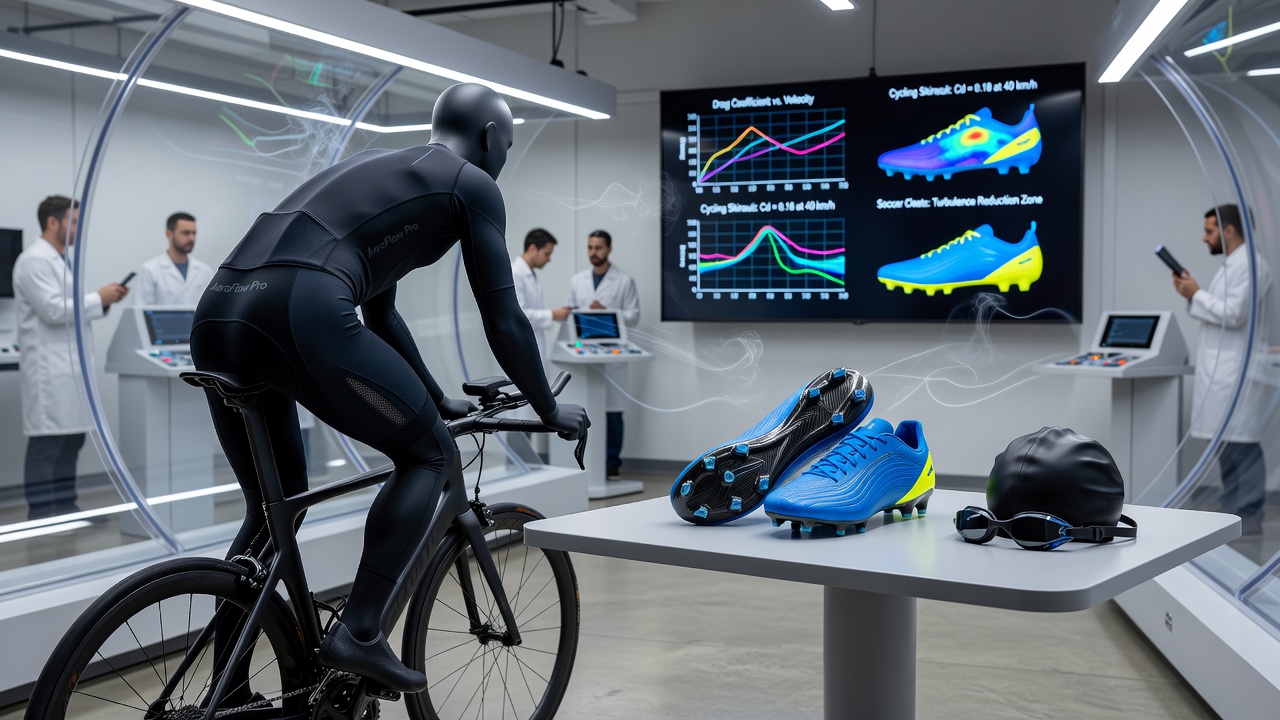
Wind tunnel experiments have become central to refining aerodynamic performance in sports equipment, where researchers measure drag forces on apparel and footwear under controlled airflow conditions that replicate real-world speeds; these tests allow precise adjustments to fabric textures, seam placements, and overall shapes that reduce resistance while maintaining functionality.
Testing Protocols in Controlled Environments
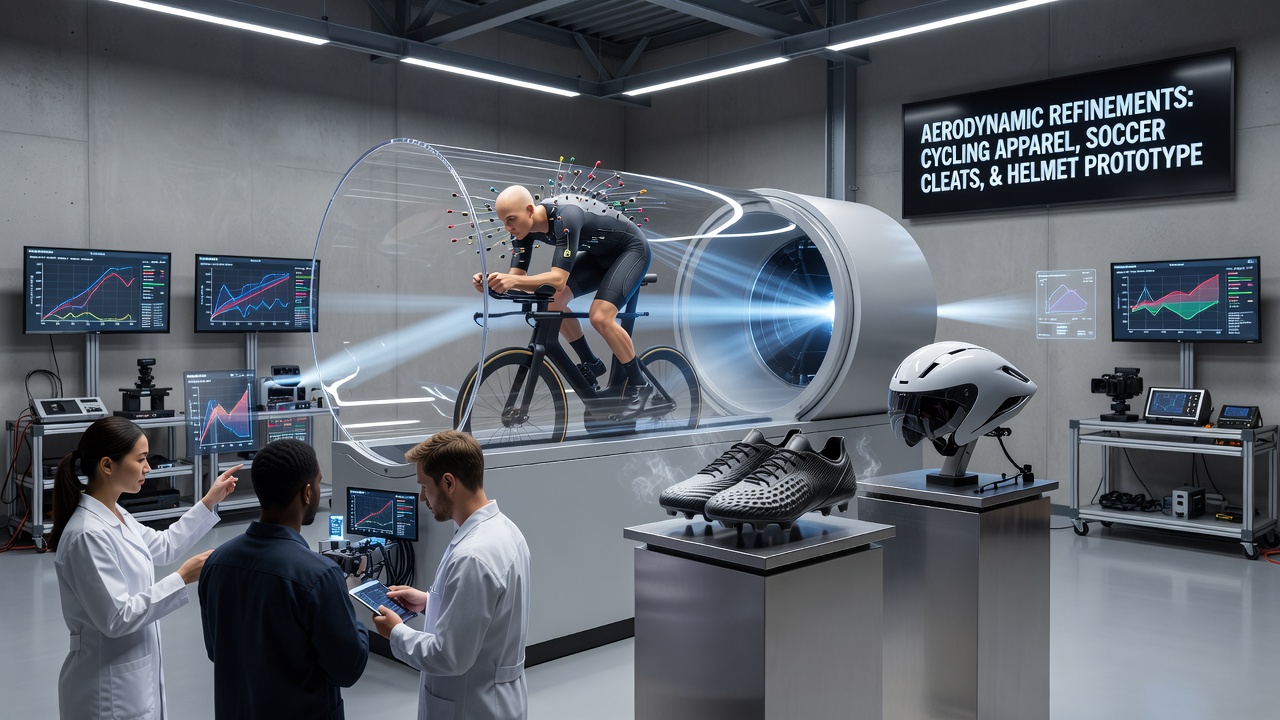
Engineers position mannequins or live athletes in sealed chambers where fans generate consistent wind speeds ranging from 20 to 60 kilometers per hour, and sensors capture pressure distributions along surfaces while high-speed cameras record any fabric flutter or deformation that could increase turbulence. Data collected during these sessions guides iterative design changes, and teams often repeat trials dozens of times to isolate the impact of a single modification such as altering the dimple pattern on a cycling jersey sleeve or repositioning the laces on a soccer cleat.
According to studies published through the Sports Science Institute, small reductions in the drag coefficient can translate into measurable time savings over race distances, which explains why manufacturers invest heavily in repeated tunnel access at facilities equipped for both low-speed and high-speed configurations.
Applications in Cycling Apparel Design
Cycling apparel benefits directly from these experiments because riders maintain forward postures that expose large surface areas to oncoming air, and tests reveal how textured fabrics disrupt laminar flow to create smaller wake zones behind the body. Manufacturers have incorporated ribbed panels along the arms and torso after observing that such patterns lower overall drag by up to several percent compared with smooth surfaces at typical time-trial velocities. Helmets and skinsuits receive similar scrutiny, with researchers adjusting vent placements and fabric coatings to balance cooling needs against aerodynamic penalties, and results from tunnel sessions frequently feed directly into production models released each season.
Refinements for Soccer Cleats and Lower-Body Equipment
Soccer cleats present unique challenges because the footwear must provide traction on grass or artificial turf while minimizing air resistance during high-speed runs and directional changes. Tunnel experiments focus on the upper construction and stud geometry, measuring how raised elements or surface coatings alter airflow around the foot and ankle. One study conducted at a European research center demonstrated that smoothing transitions between the cleat upper and sole plate reduced measured drag by measurable margins at sprint speeds, prompting several brands to adopt integrated molding techniques that eliminate abrupt edges. These findings also influence shin guard shapes and sock materials, since leg coverage contributes significantly to total aerodynamic load during matches.
Swimwear Aerodynamics and Water Interaction
Although swimwear ultimately operates in water, wind tunnel testing provides preliminary data on surface drag before pool validation because air serves as a controlled proxy for understanding how fabric and seam profiles interact with fluid flow. Researchers examine compression fits, bonded seams, and hydrophobic coatings that prevent water from clinging to the material, and tunnel results help narrow design options that later undergo flume testing. In June 2026, several national teams incorporated new suit prototypes that originated from combined wind and water trials, where initial air-based measurements predicted reduced resistance that pool data later confirmed at elite competition velocities.
Observers note that the same low-profile seam technology developed for swimwear has begun appearing in cycling apparel, illustrating how tunnel-derived insights cross over between sports when drag reduction principles align closely.
Cross-Sport Data Sharing and Measurement Standards
Research institutions maintain standardized protocols that allow comparison across disciplines, including consistent mannequin positioning, temperature control, and force balance calibration. Teams share anonymized datasets through academic channels, which accelerates progress by letting designers reference prior findings rather than starting each project from scratch. This collaborative approach has produced measurable improvements in multiple product categories over the past decade, and ongoing work focuses on integrating computational fluid dynamics simulations with physical tunnel results to reduce the number of physical prototypes required.
Conclusion
Wind tunnel experimentation continues to shape equipment development for cycling, soccer, and swimming by supplying quantifiable drag data that informs material selection, pattern engineering, and fit adjustments. The process links laboratory measurements directly to on-field or in-pool performance, and continued refinement of testing methods promises further incremental gains as measurement precision improves and modeling tools become more sophisticated.